
Águila Aqueduct
The Águila Aqueduct is one of the most impressive structures in Nerja. The Águila bridge was built in the 19th century with the intention of carrying water to the mills of the Fábrica de Maro. Located in the well-known Barranco de la Coladilla, on the outskir
The Águila Aqueduct is one of the most impressive and distinctive structures in the Nerja area. Erected in the 19th century to carry water to the mills of the former Fábrica de Azúcar de Maro, it has become a symbol of the area’s industrial heritage and an essential visit for anyone wanting to discover the more monumental side of Nerja.
Located in the Barranco de la Coladilla, on the outskirts of the town centre, it stands out for its elegant structure of four arched levels and thirty-eight superimposed brick arches. Its entrance pavilions and the inscription «Pura y Limpia Concepción» engraved on the central body give it an artistic value that goes far beyond its original function, blending harmoniously into the landscape of the Axarquía.
Its proximity to the village of Maro and the Cuevas de Nerja makes it a perfect stop to combine with other attractions in the area. Photographing the Águila Aqueduct among the vegetation of the ravine is one of those small pleasures that surprises those looking for things to see and do in Nerja beyond its beaches.
Video
1 videoÁguila Aqueduct — video 1
Historia
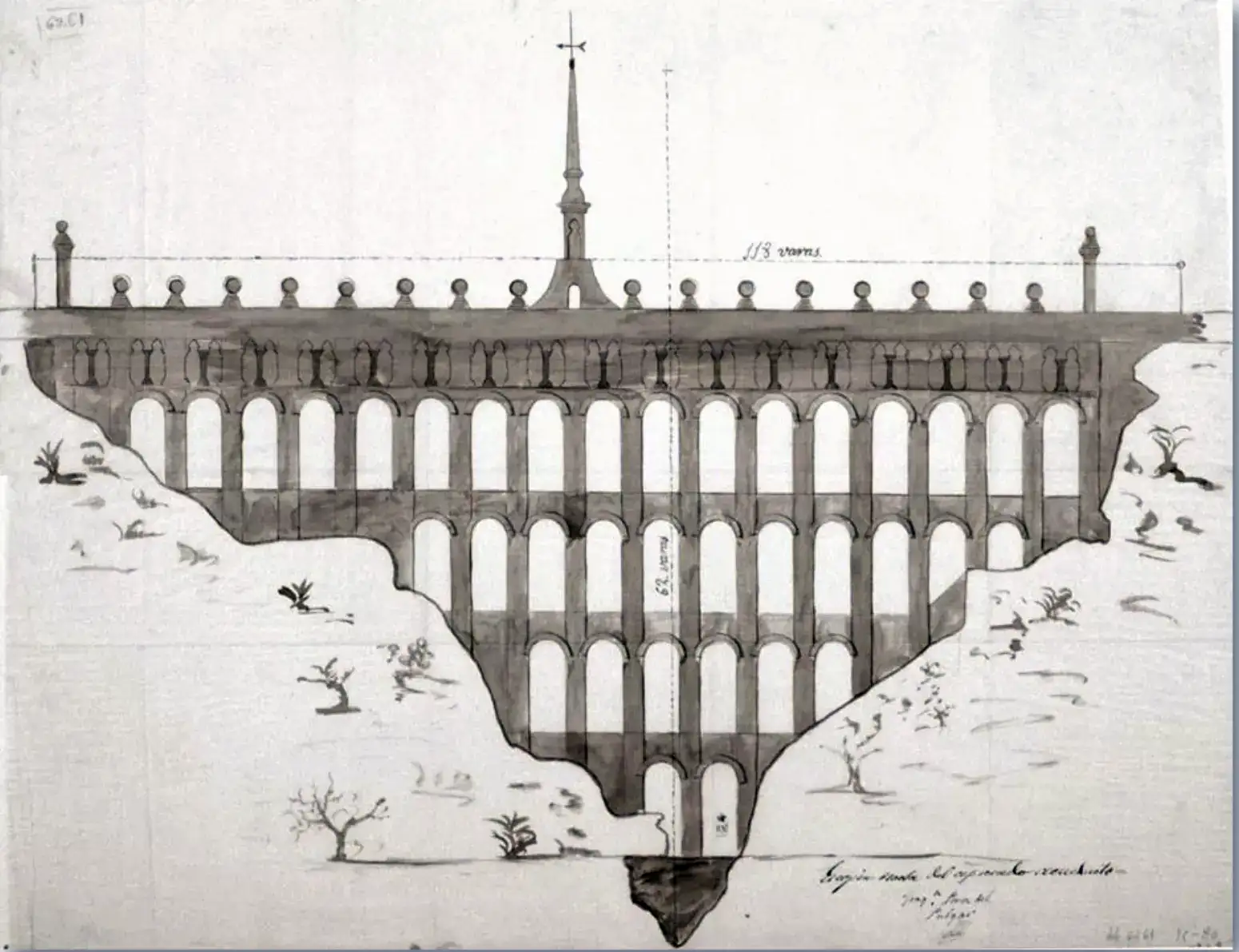 La construcción del acueducto fue una tarea monumental que involucró a muchos trabajadores y una gran cantidad de materiales. La piedra utilizada para construir los arcos fue extraída de canteras cercanas y transportada en mulas hasta el lugar de la construcción. También se utilizó mortero y otros materiales para asegurar la estructura.
El Acueducto del Águila fue utilizado para suministrar agua a la ciudad de Málaga durante muchos años, y se convirtió en un hito importante en la región. En 1905, se construyó un nuevo sistema de suministro de agua para la ciudad, lo que hizo que el acueducto quedara en desuso.
Sin embargo, a lo largo de los años, el acueducto ha sido restaurado y mantenido, y ahora es un importante atractivo turístico en la región. Es un ejemplo impresionante de la ingeniería hidráulica y una muestra de la habilidad y el ingenio de los constructores de la época.
La construcción del acueducto fue una tarea monumental que involucró a muchos trabajadores y una gran cantidad de materiales. La piedra utilizada para construir los arcos fue extraída de canteras cercanas y transportada en mulas hasta el lugar de la construcción. También se utilizó mortero y otros materiales para asegurar la estructura.
El Acueducto del Águila fue utilizado para suministrar agua a la ciudad de Málaga durante muchos años, y se convirtió en un hito importante en la región. En 1905, se construyó un nuevo sistema de suministro de agua para la ciudad, lo que hizo que el acueducto quedara en desuso.
Sin embargo, a lo largo de los años, el acueducto ha sido restaurado y mantenido, y ahora es un importante atractivo turístico en la región. Es un ejemplo impresionante de la ingeniería hidráulica y una muestra de la habilidad y el ingenio de los constructores de la época.
La historia del Acueducto del Águila es una de las más relevantes de Nerja, ya que fue construido por el maestro de obras local Francisco Cantarero hace más de 200 años. A día de hoy, el Acueducto se sigue utilizando para el regadío de la zona, lo que ha permitido que siga siendo una joya arquitectónica para los visitantes.
How to get to Águila Aqueduct
Plan your route here: enter your starting point and choose how you want to travel.
Already on your way? Open GPS navigation:
Frequently asked questions
No, this aqueduct was built with the intention of carrying water to the mills of the Sugar Factory.
Puente del Águila was built in the 19th century between 1879 and 1880 by Rafael de Chaves y Manso, Marqués de Tous y de la Cueva del Rey and Count of Casa de Chaves.
Puente del Águila is approximately 40 metres high, made up of four levels of superimposed arches.
What's nearby
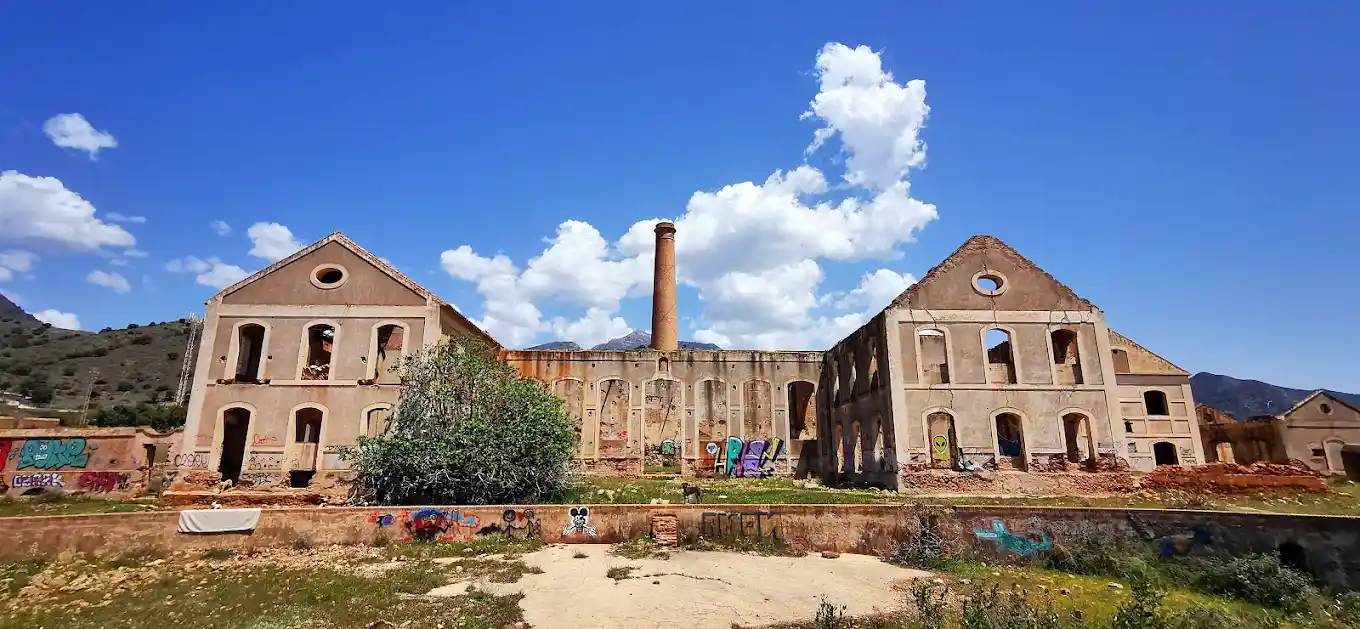
Sugar Factory (Maro): What you NEED to know ❤️
Places to Visit
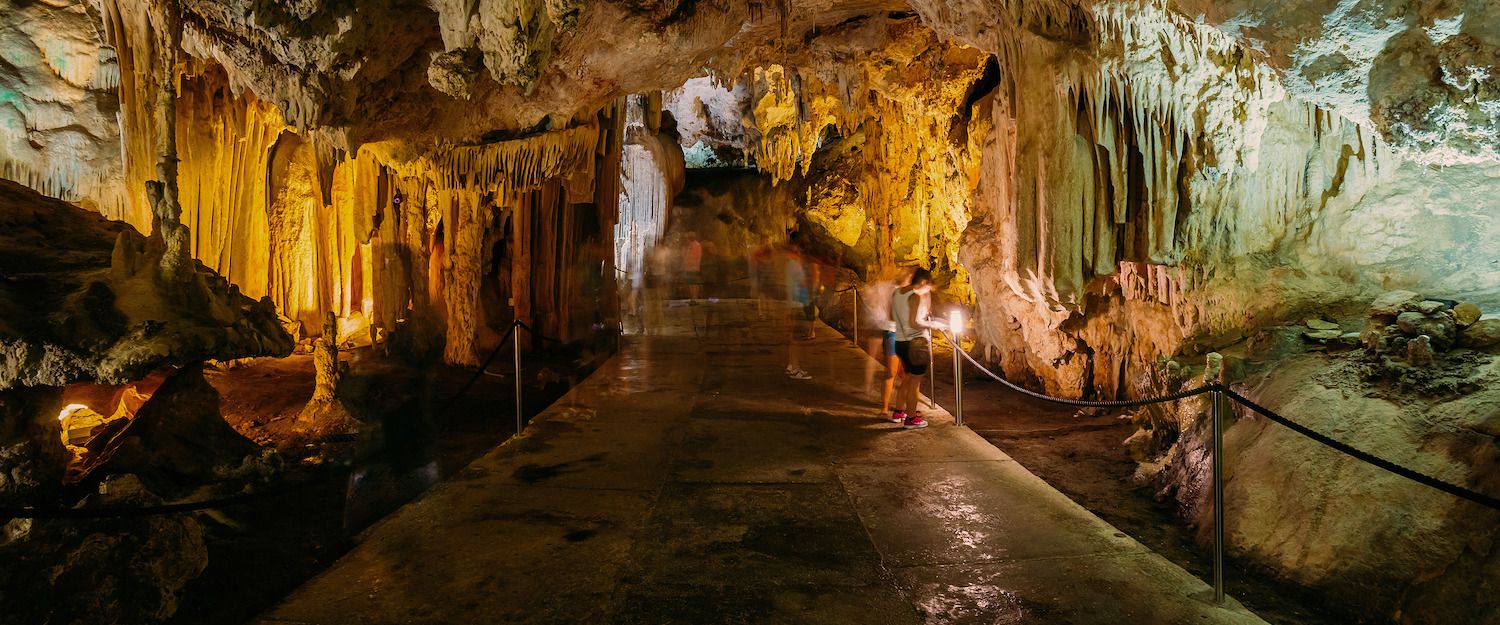
Nerja Caves — Prehistoric Wonder & Must-Visit Attraction
Places to Visit
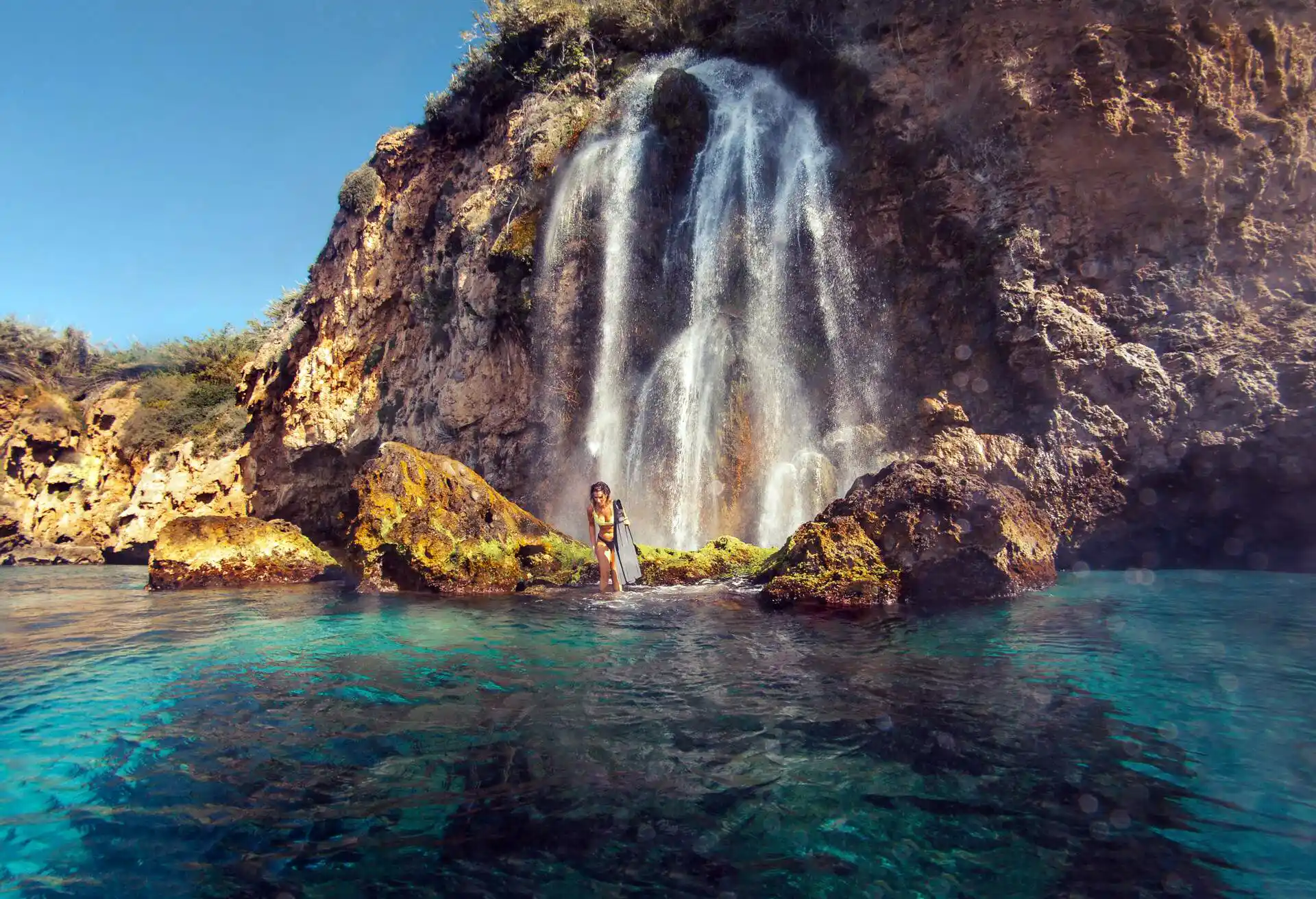
Maro Waterfall — Nerja's Coastal Cascade
Places to Visit
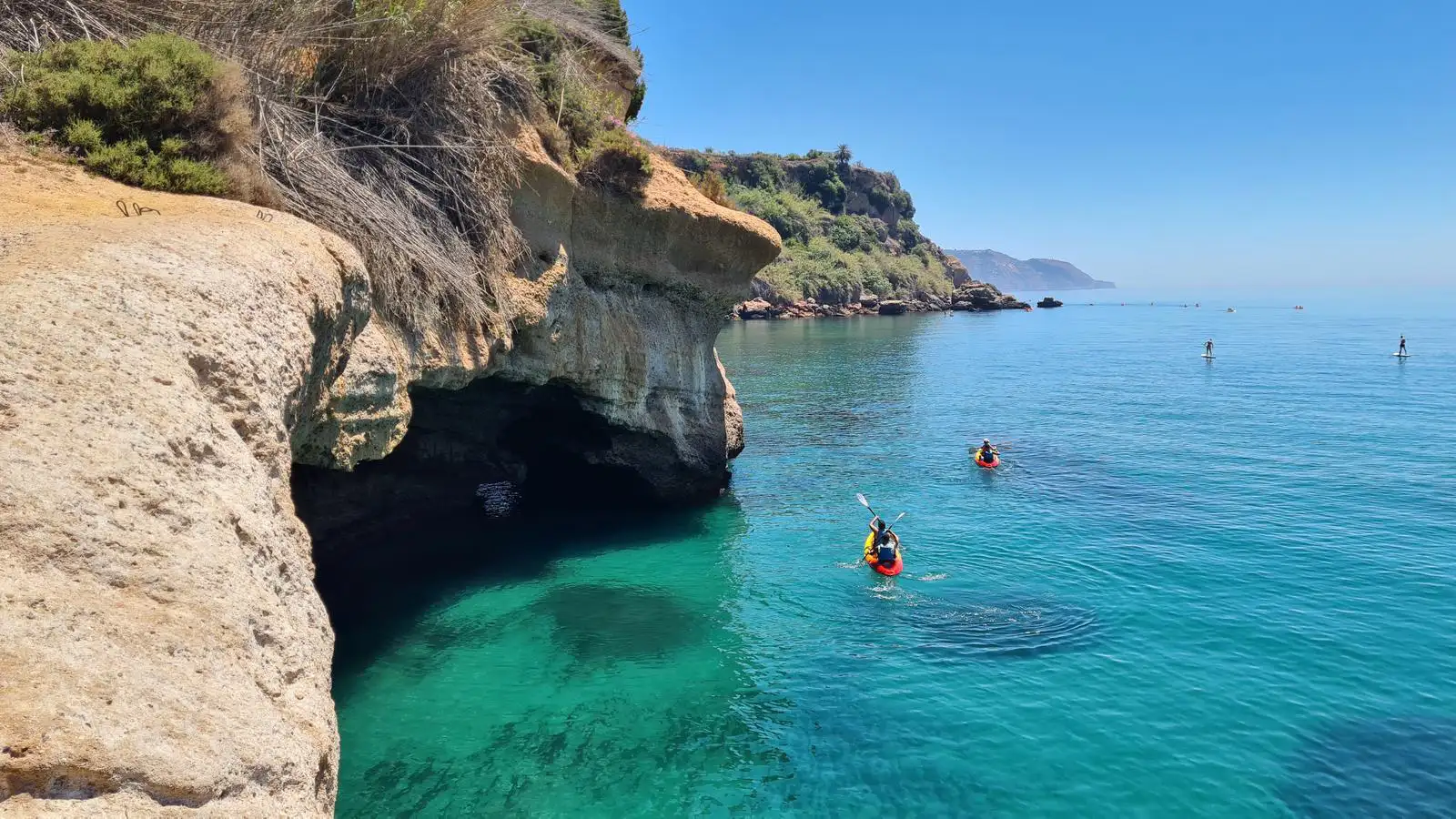
Cueva del Lobo Marino ⛰️ An adventure among rocks
Places to Visit
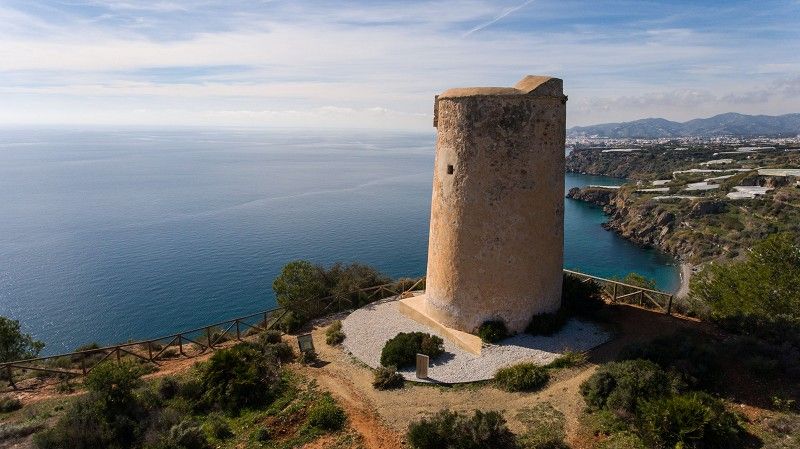
Torre de Maro → A complete defensive system ❤️
Places to Visit
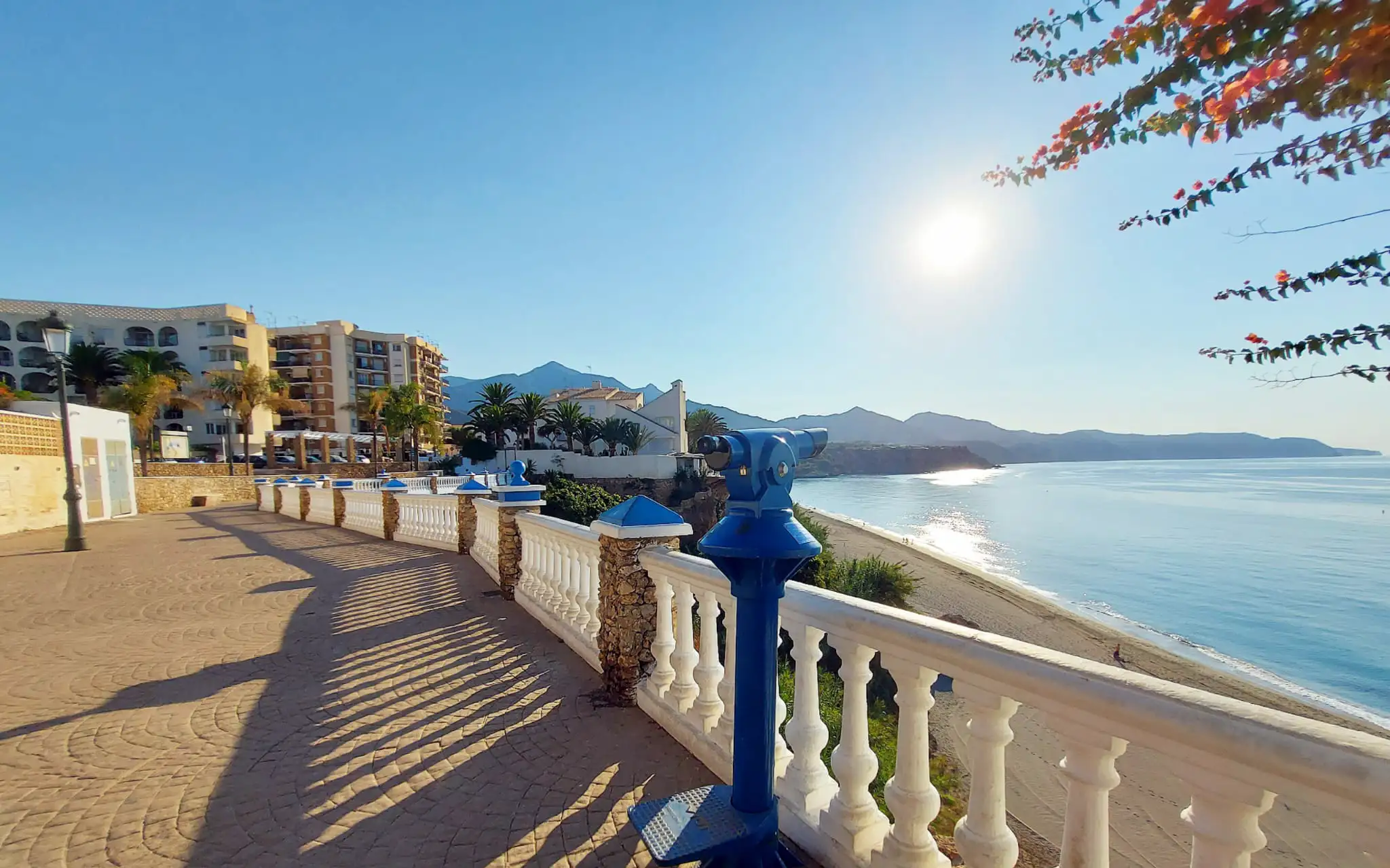
Mirador del Bendito
Places to Visit














Keep exploring
Águila Aqueduct
Places to Visit