
Nerja Caves — Prehistoric Wonder & Must-Visit Attraction
Explore the Nerja Caves, one of Spain's most spectacular natural attractions. Marvel at enormous stalactite chambers, prehistoric cave paintings and the world's largest known stalagmite.
The Nerja Caves (Cuevas de Nerja) are, without question, the most spectacular attraction in the area and one of Andalusia's great natural wonders. This vast underground complex was discovered by chance in 1959 by five local teenagers chasing bats, and it has captivated visitors ever since.
What You'll See Inside
The tourist route winds through a series of immense chambers adorned with stalactites, stalagmites and dramatic rock formations sculpted over millions of years. The highlight is the Sala del Cataclismo (Hall of the Cataclysm), home to the world's largest known stalagmite — a colossal column measuring 32 metres high. Prehistoric cave paintings dating back more than 20,000 years have also been found here, though they are in closed galleries not accessible to the public.
Tickets & Prices
- Adults: ~€14 (online booking recommended)
- Children (6–12): ~€10
- Under 6: Free
- Free entry on certain dates — check the official website for current promotions.
Practical Tips
- Opening hours: Generally 9:30–16:30 (last entry); extended hours in summer. Check ahead as times vary by season.
- Temperature: A constant 19°C inside — bring a light layer even in summer.
- Getting there: The caves are 4 km east of Nerja centre, signposted from the N-340. Free parking available. Regular buses run from Nerja town.
- Duration: Allow about 45 minutes for the guided tour, plus time to explore the gardens and archaeological museum outside.
Services & facilities
Video
1 videoNerja Caves — Prehistoric Wonder & Must-Visit Attraction — video 1
Historia
The Nerja Caves are a formation of karst cavities, originating from the chain of geological processes that took place over the last 5 million years. During the Triassic period, significant quantities of calcareous mud settled on what was once the ancient Mediterranean Sea floor, later transforming into dolomitic limestone marble, which today houses the Nerja Caves.
During the period of Alpine orogeny (end of the Cretaceous - beginning of the Miocene), which began 65 million years ago and lasted until 5 million years ago, the drift between the tectonic plates of Africa and Europe gave rise to the creation of the Baetic mountains, such as Sierra Tejeda and Almijara.
The abundance of rainfall over the last 5 million years (Upper Miocene and Lower Pleistocene) seeped into the fissures of the marble, encouraging its subsequent dissolution. In this way, enormous cavities were formed through which underground waters circulated. Later, due to the undulating relief of the ground, resulting from mountain landslides in the region in question, the underground waters were forced to seek lower layers in order to continue flowing.
As a result, the caves began to fill with carbonate deposits, stalactites and stalagmites. Over the last 800,000 years (Middle Pleistocene and Holocene), the impressive stalactites and stalagmites have formed thanks to the subsequent deposition of calcite.
The deposition processes have created the underground landscape of the Nerja Caves, which can still be admired today 😍.
Where to park

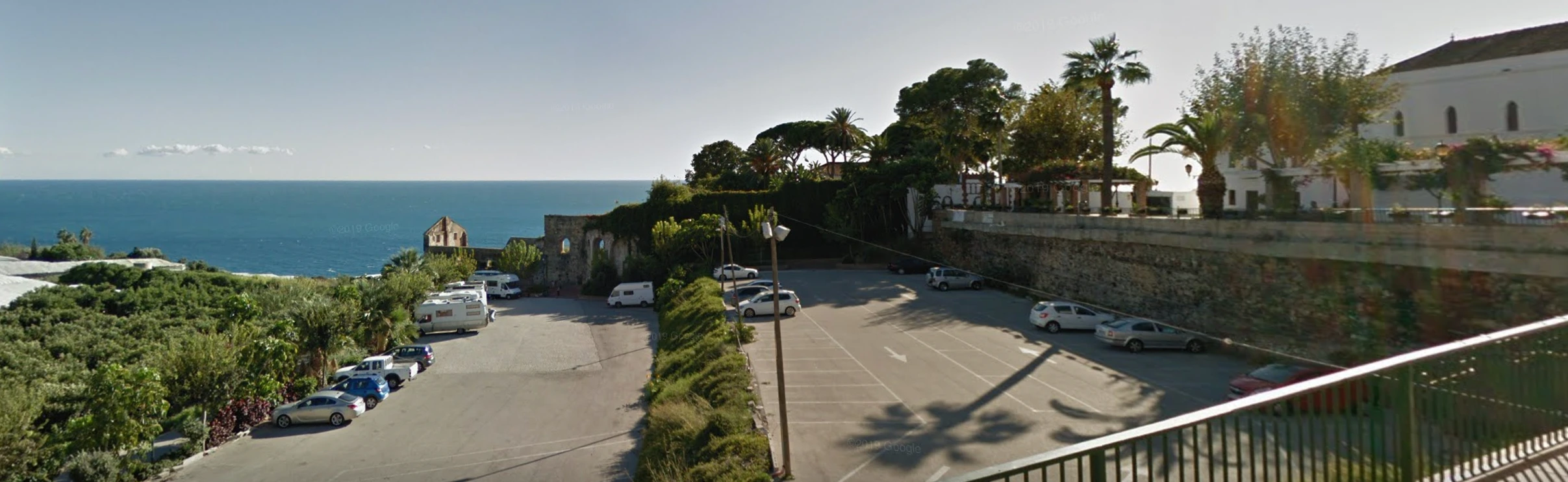
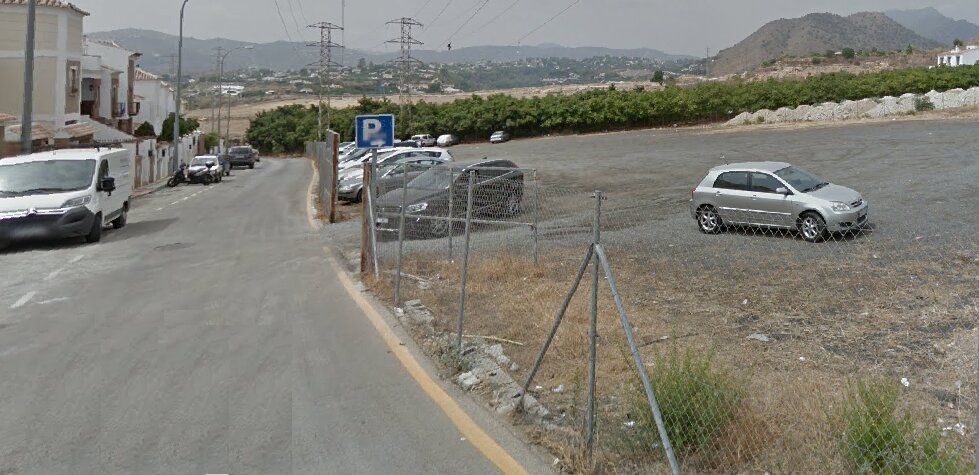
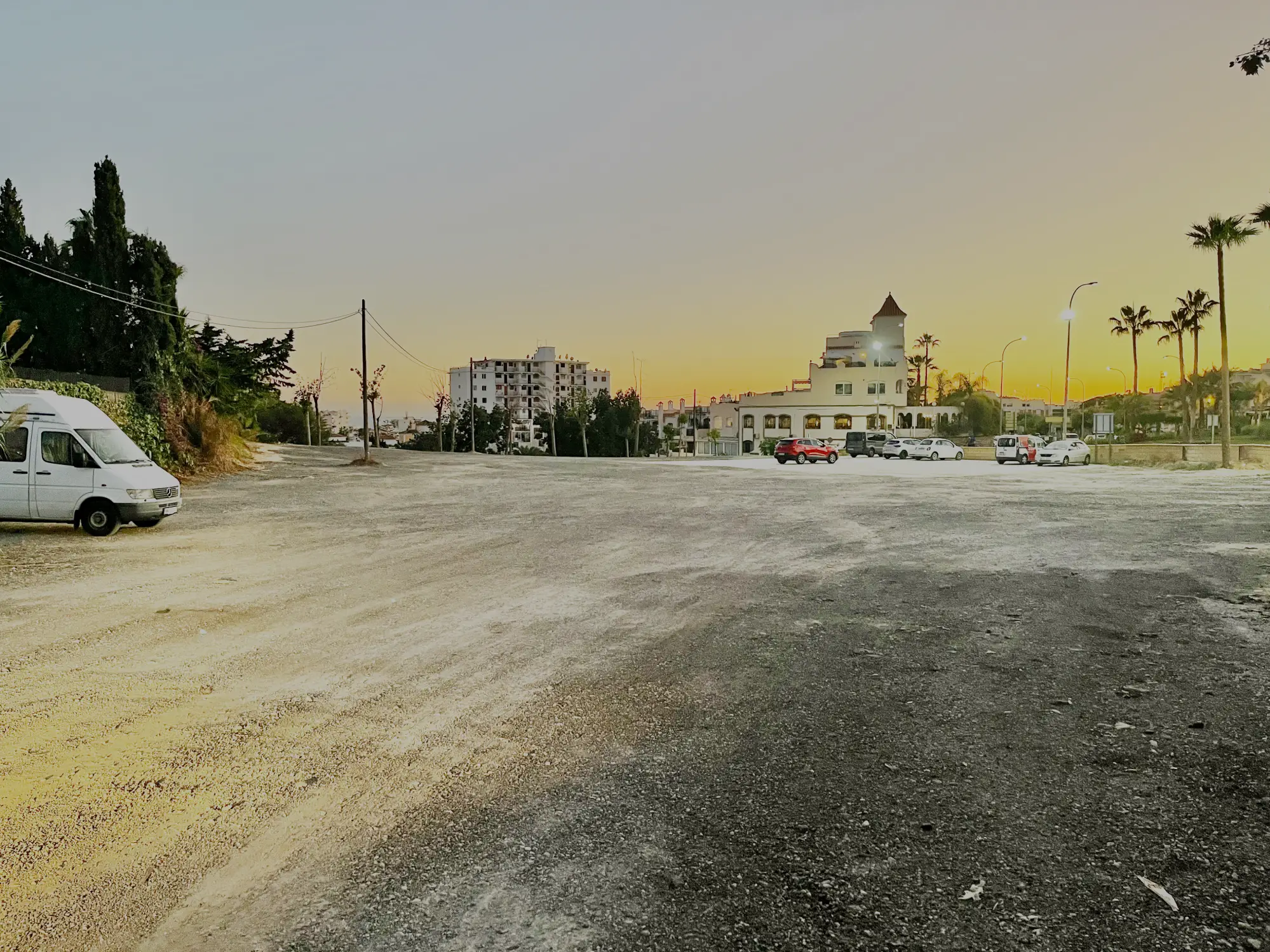
If you are planning to visit the cave by car, it is worth knowing that the Cueva de Nerja car park costs €2 per day. If you decide to park there, please note that you must pay with two 1 euro coins. If you do not have the necessary coins, you can go to the cave ticket office to have them changed.
How to get to Nerja Caves — Prehistoric Wonder & Must-Visit Attraction
Plan your route here: enter your starting point and choose how you want to travel.
Already on your way? Open GPS navigation:
Recommendations
Recommendations and basic rules for visiting the Cueva de Nerja:
- Visit the Cueva de Nerja wearing closed shoes with non-slip soles. If you enter wearing unsuitable footwear, you do so entirely at your own risk. Flip-flops are prohibited.
- The average temperature inside the cave throughout the year is 19ºC.
- Take care during your visit. The cave has uneven sections and more than 400 steps.
- Pets are not allowed, except guide dogs.
- Touching or altering the geological formations is not permitted.
- The cave art cannot be shown for conservation reasons.
- Respect the cave's native fauna. Some species are endemic.
- Eating and drinking are not allowed inside the cave.
- Do not leave any rubbish behind; remember this is a protected site of great value.
- Any activity involving damage to the cave or its infrastructure is prohibited.
- Entry with pushchairs or wheelchairs is prohibited.
- Do not raise your voice during the visit. Respect other visitors.
- Access for children under 6 is entirely the responsibility of parents or guardians, who must ensure their safety and behaviour.
- Please keep pace with the group. Do not overtake the group ahead of you or fall behind the group you are part of.
- Book your tickets in advance, as the Cueva de Nerja is a very popular place among tourists, so it is advisable to reserve tickets beforehand to avoid unnecessary waiting times.
- Do not take photographs with flash, as it may damage the cave formations and affect the experience of other visitors. It is recommended to use a photography mode without flash.
Any inappropriate behaviour will result in refusal of entry or immediate removal from the visit. By following these recommendations, you will be able to enjoy a safe and responsible visit to the Cueva de Nerja.
Frequently asked questions
The Cueva de Nerja is a karst cave located in the town of Nerja. It is famous for its large number of stalactites and stalagmites, as well as the cave paintings found inside.
The cave's geological formations were formed over millions of years due to the action of erosion and the filtration of water through the limestone rock.
What's nearby
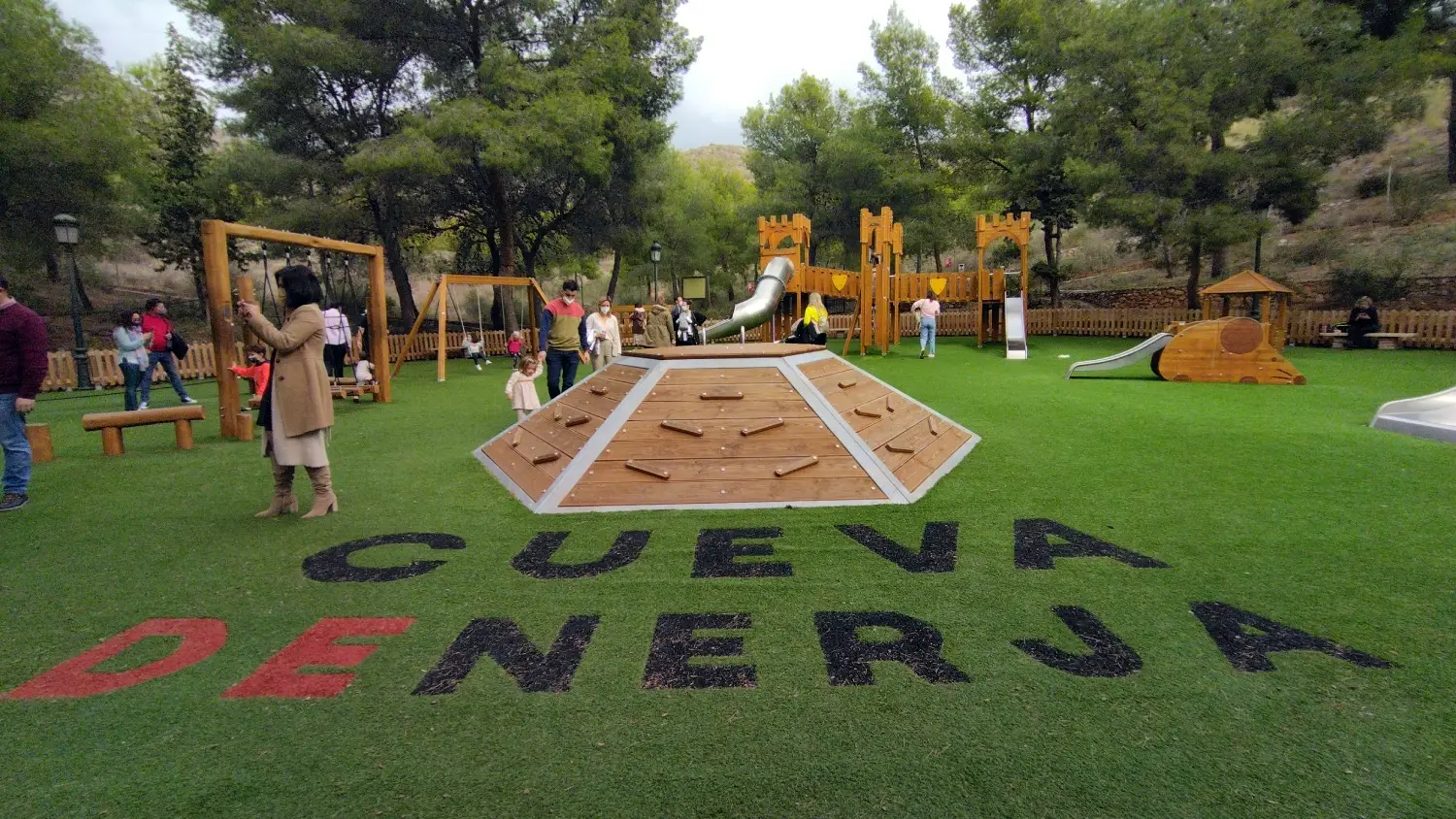
Cueva de Nerja Children's Playground
Children's playgrounds
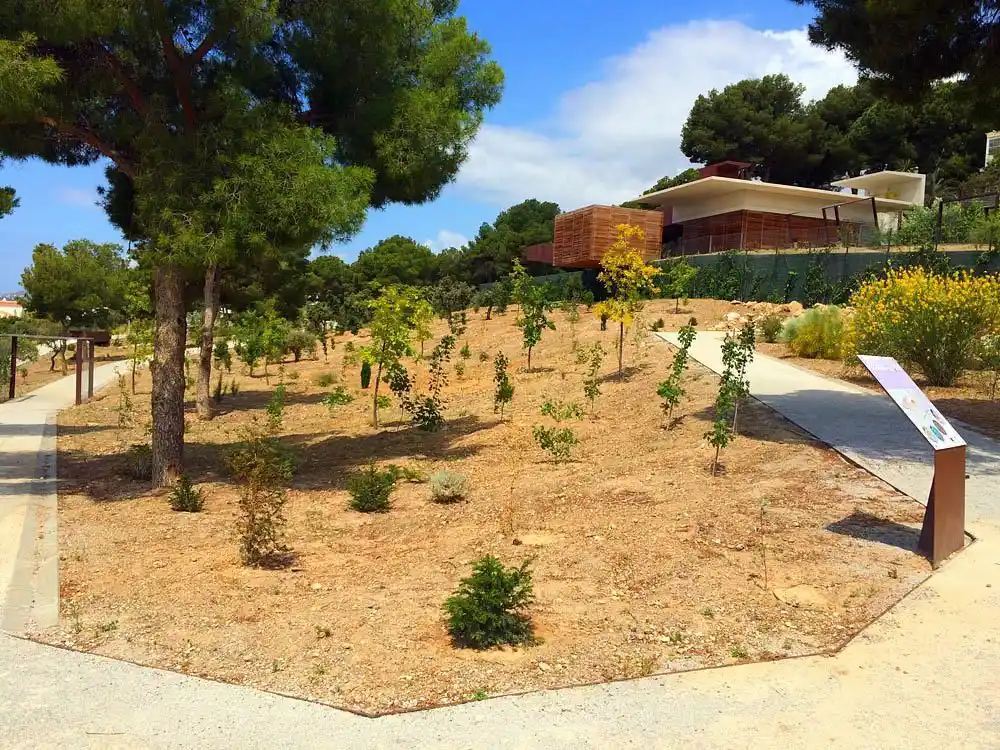
Nerja Botanical Garden (Detunda)
Places to Visit
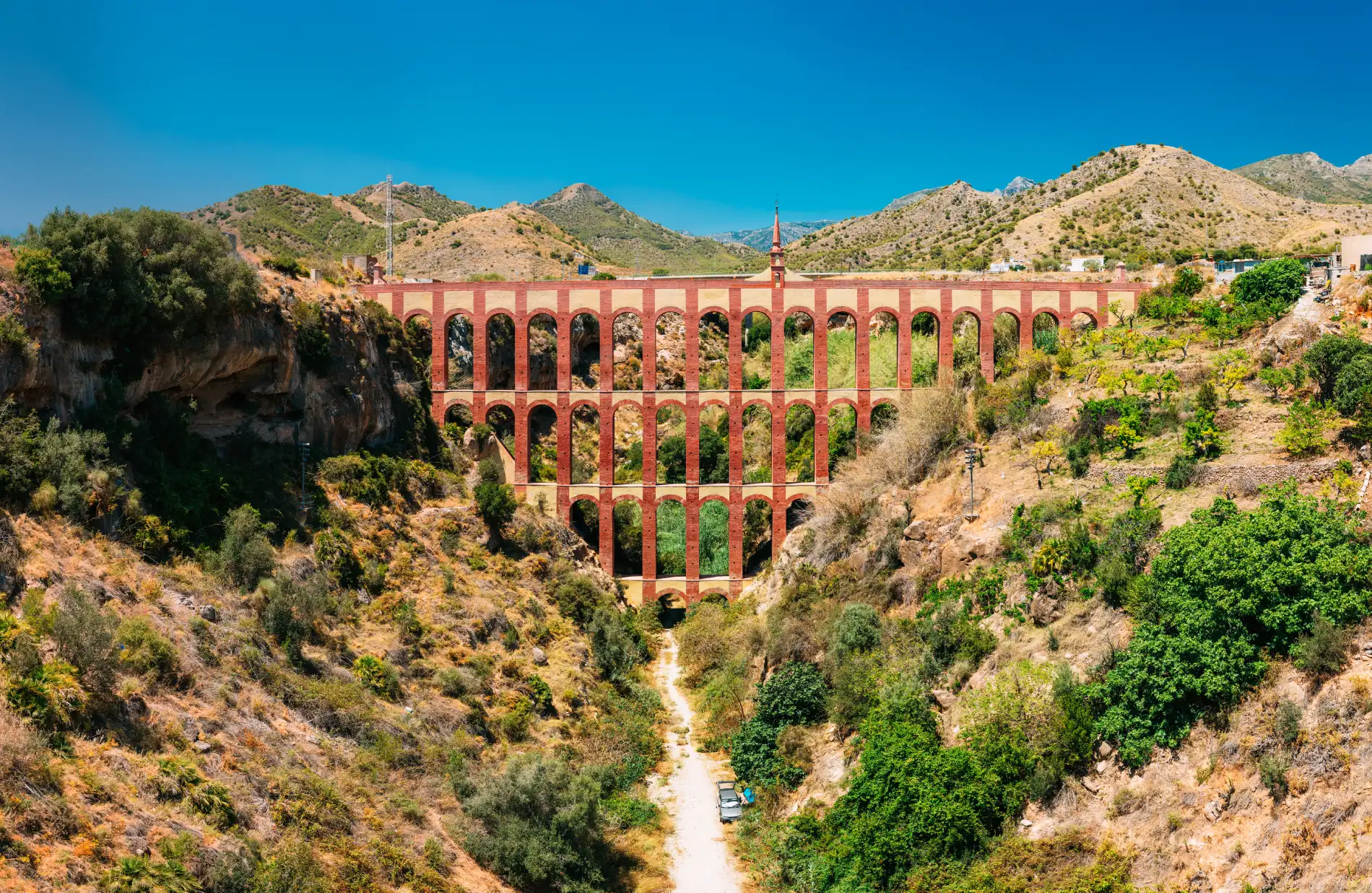
Águila Aqueduct
Places to Visit
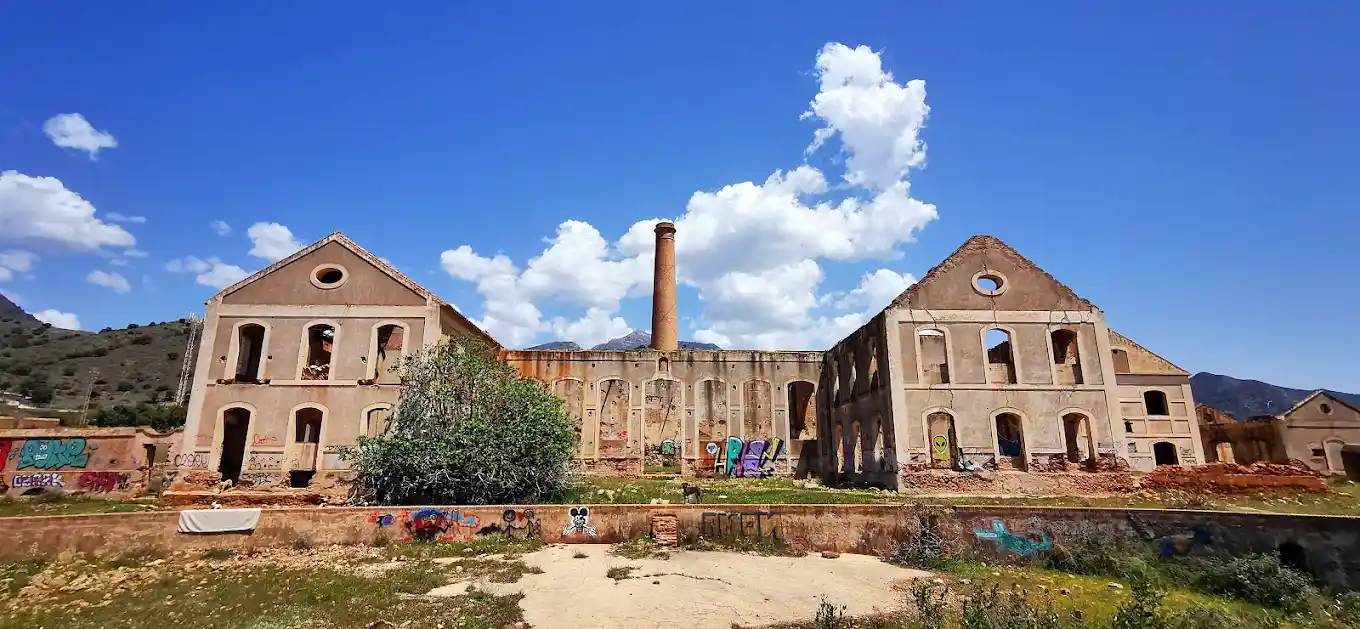
Sugar Factory (Maro): What you NEED to know ❤️
Places to Visit

Iglesia Ntra. Sra. de las Maravillas (Maro)
Churches and chapels
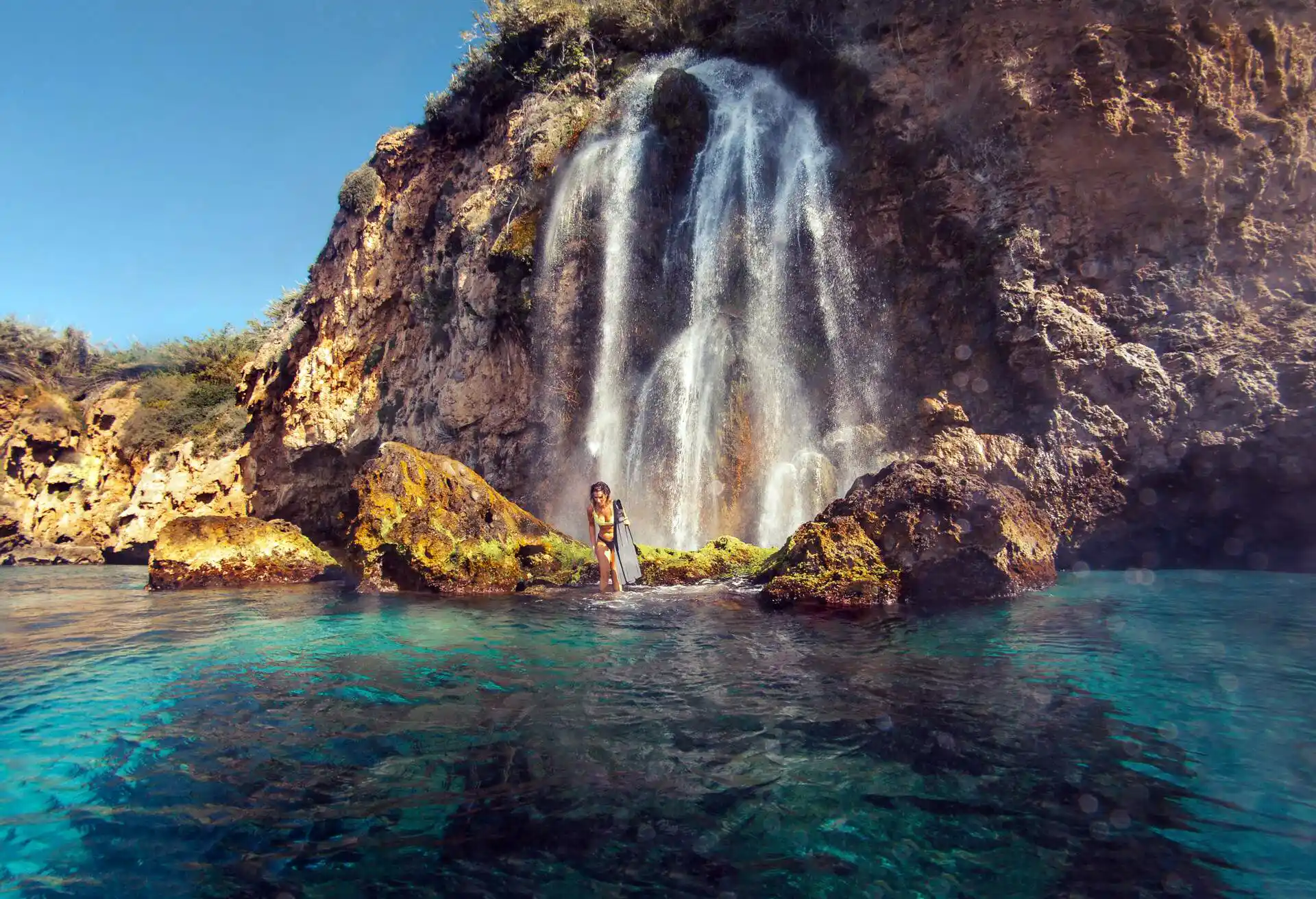
Maro Waterfall — Nerja's Coastal Cascade
Places to Visit

























Keep exploring
Nerja Caves — Prehistoric Wonder & Must-Visit Attraction
Places to Visit