
Balcón de Europa — Nerja's Iconic Viewpoint
Perched on a rocky promontory high above the Mediterranean, the Balcón de Europa is Nerja's most famous landmark — a sweeping panoramic viewpoint where dramatic cliffs meet turquoise waters.
The Balcón de Europa is Nerja's beating heart and its most recognisable landmark. This spectacular viewpoint sits on a rocky promontory where a Moorish fortress once stood, jutting out over the Mediterranean and offering breathtaking 180-degree panoramas from the Sierra de Almijara mountains to the east all the way along the coast towards Málaga.
King Alfonso XII visited after the devastating earthquake of 1884 and, struck by the views, reportedly declared: "This is the balcony of Europe." The name stuck, and today the promenade is the natural starting point for any visit to Nerja.
What to See
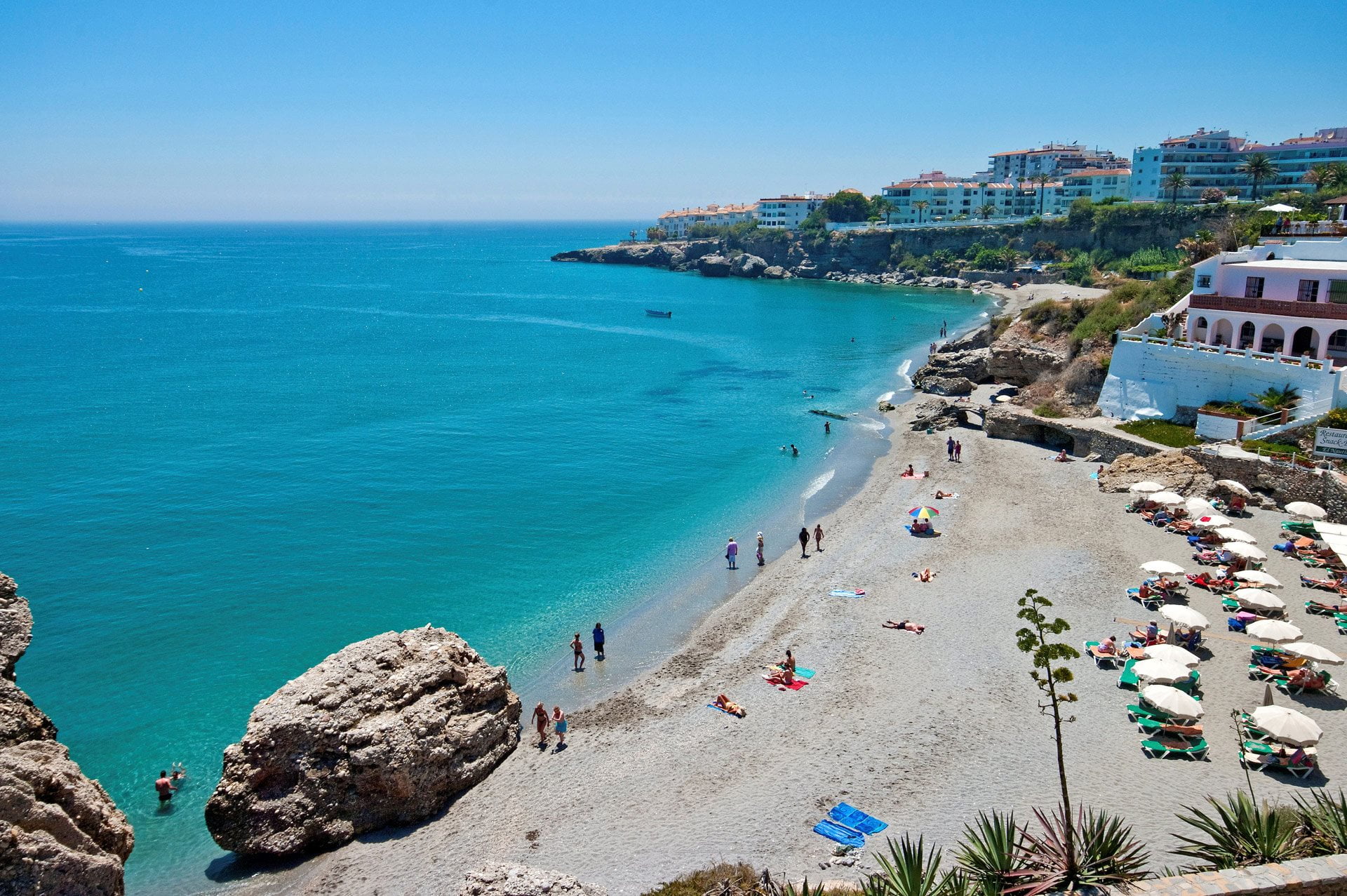
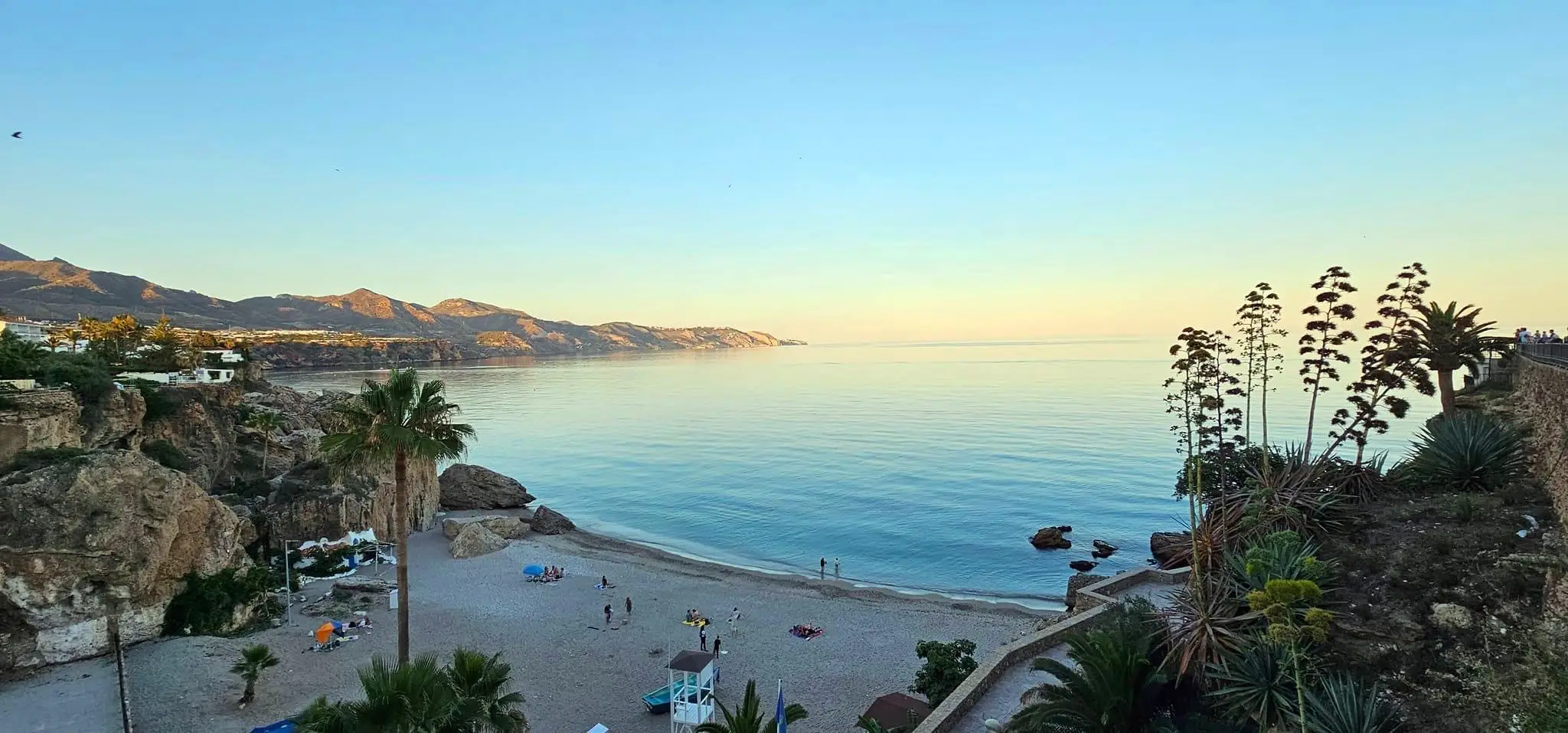
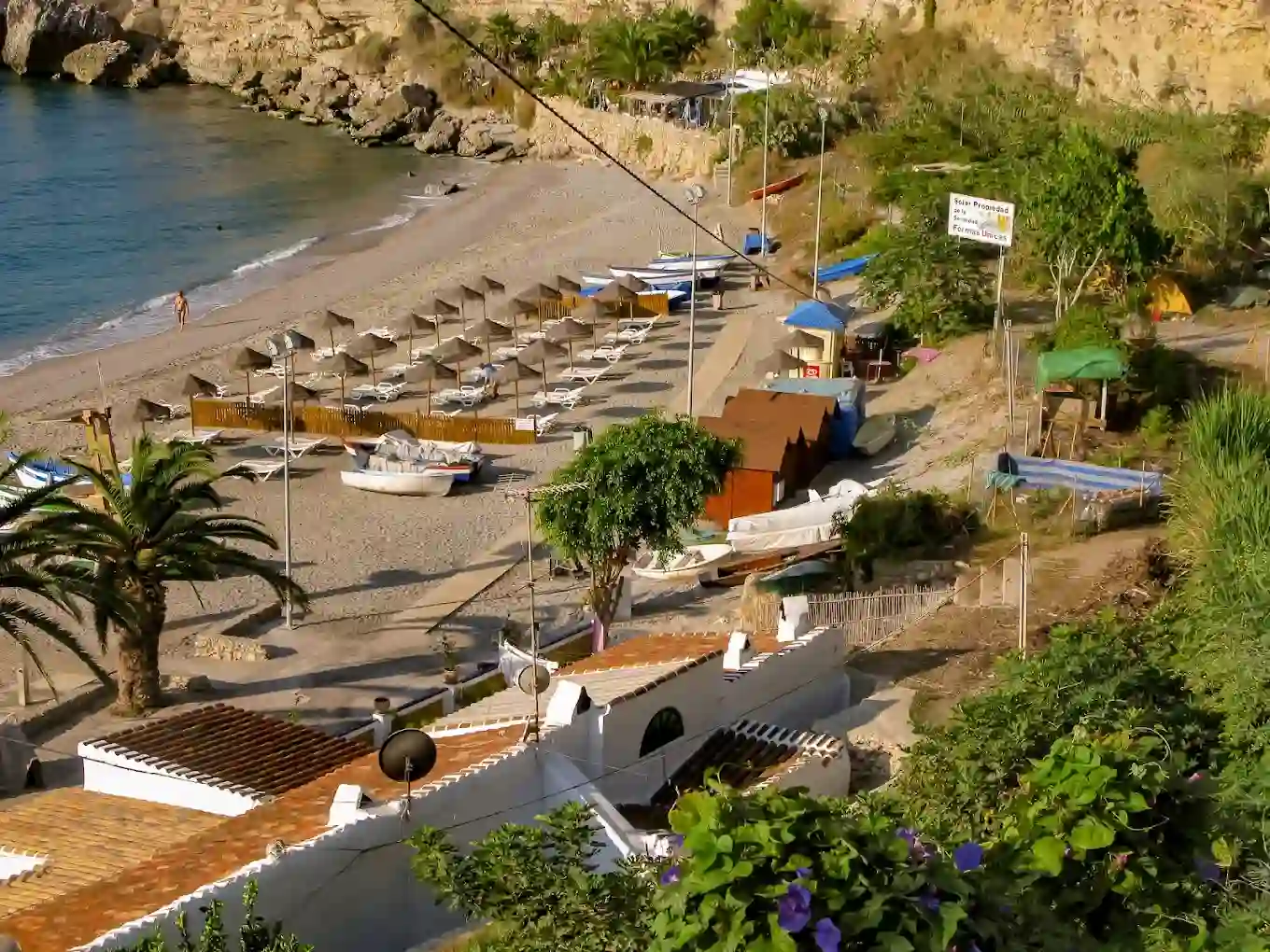
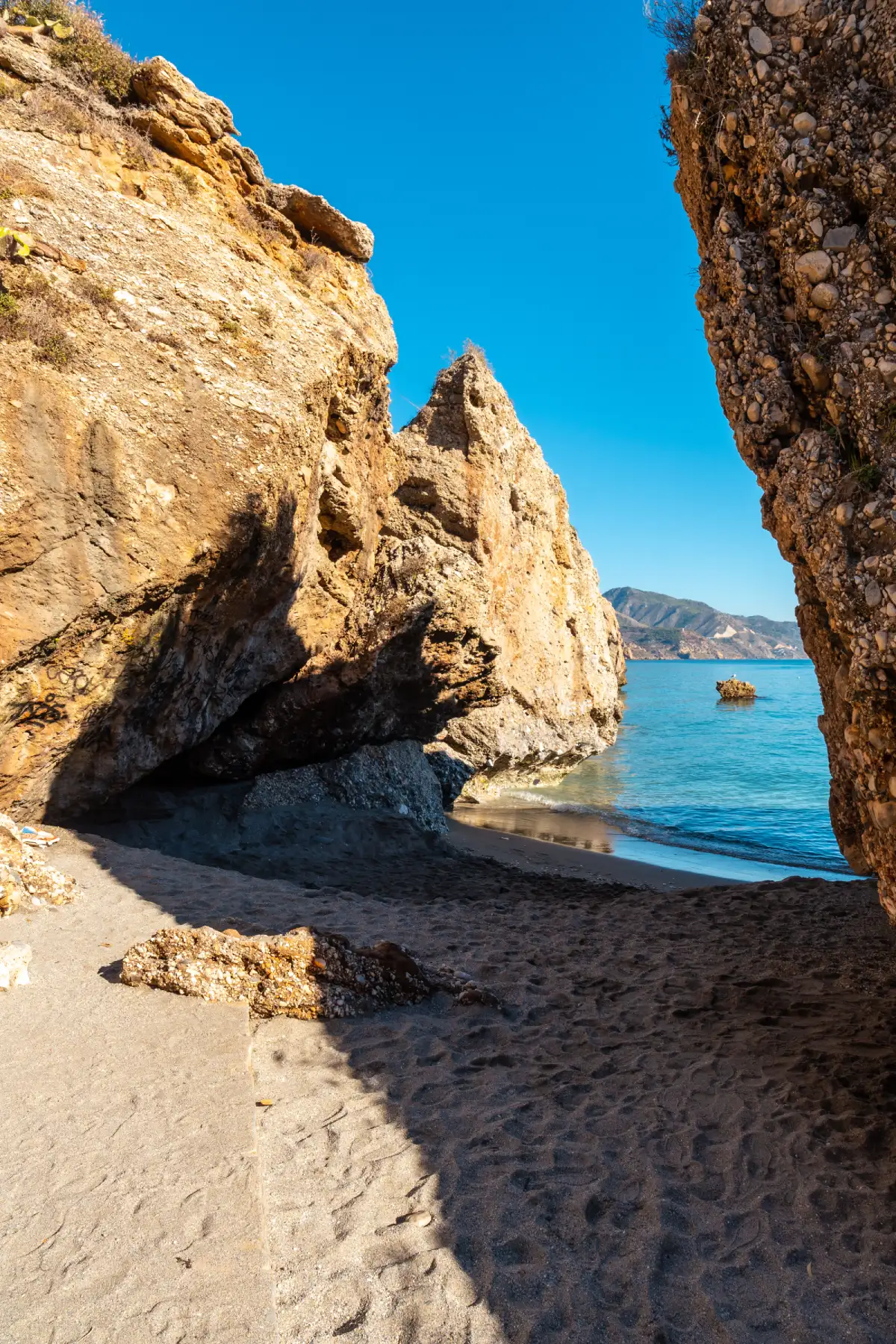
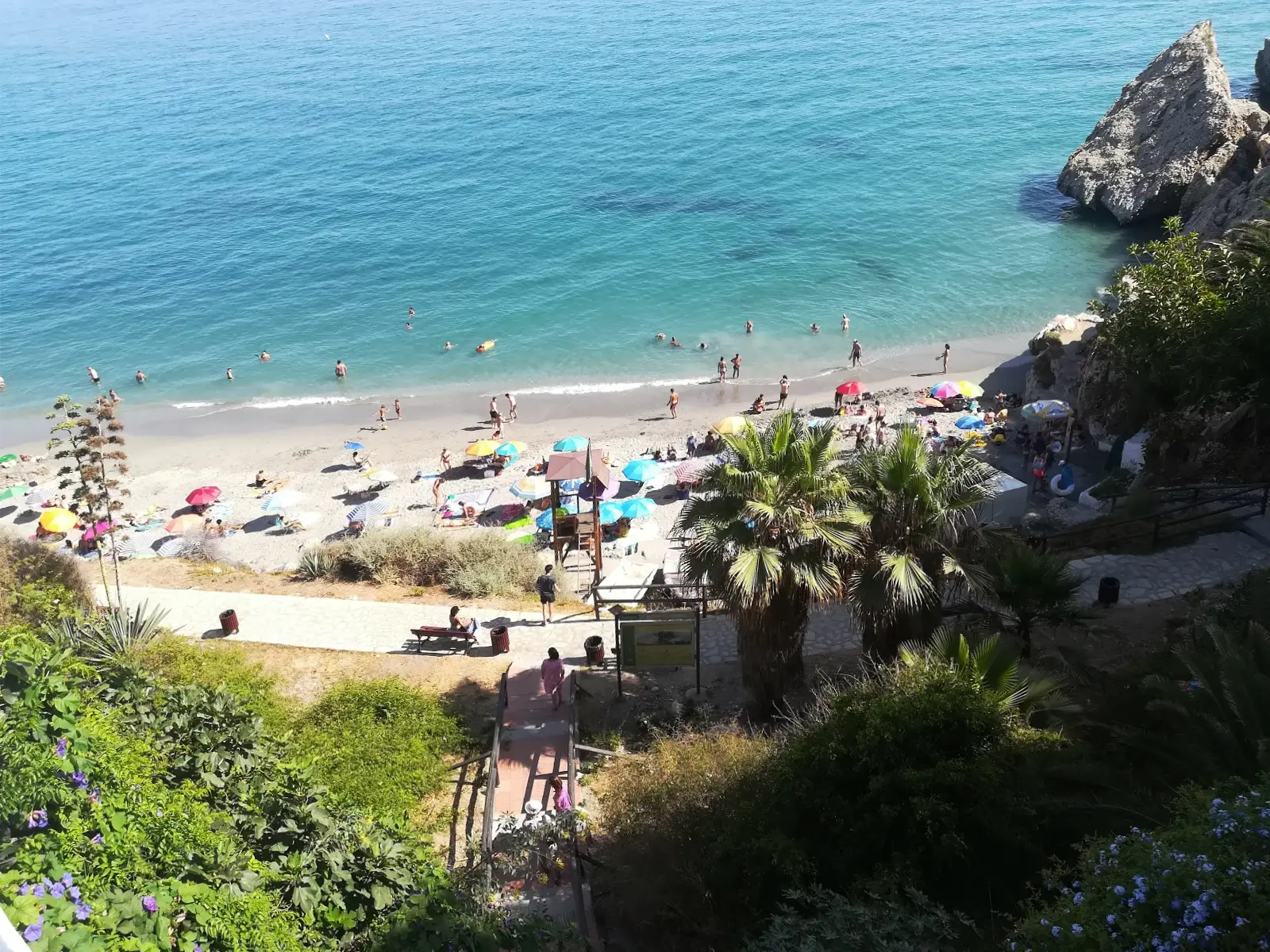
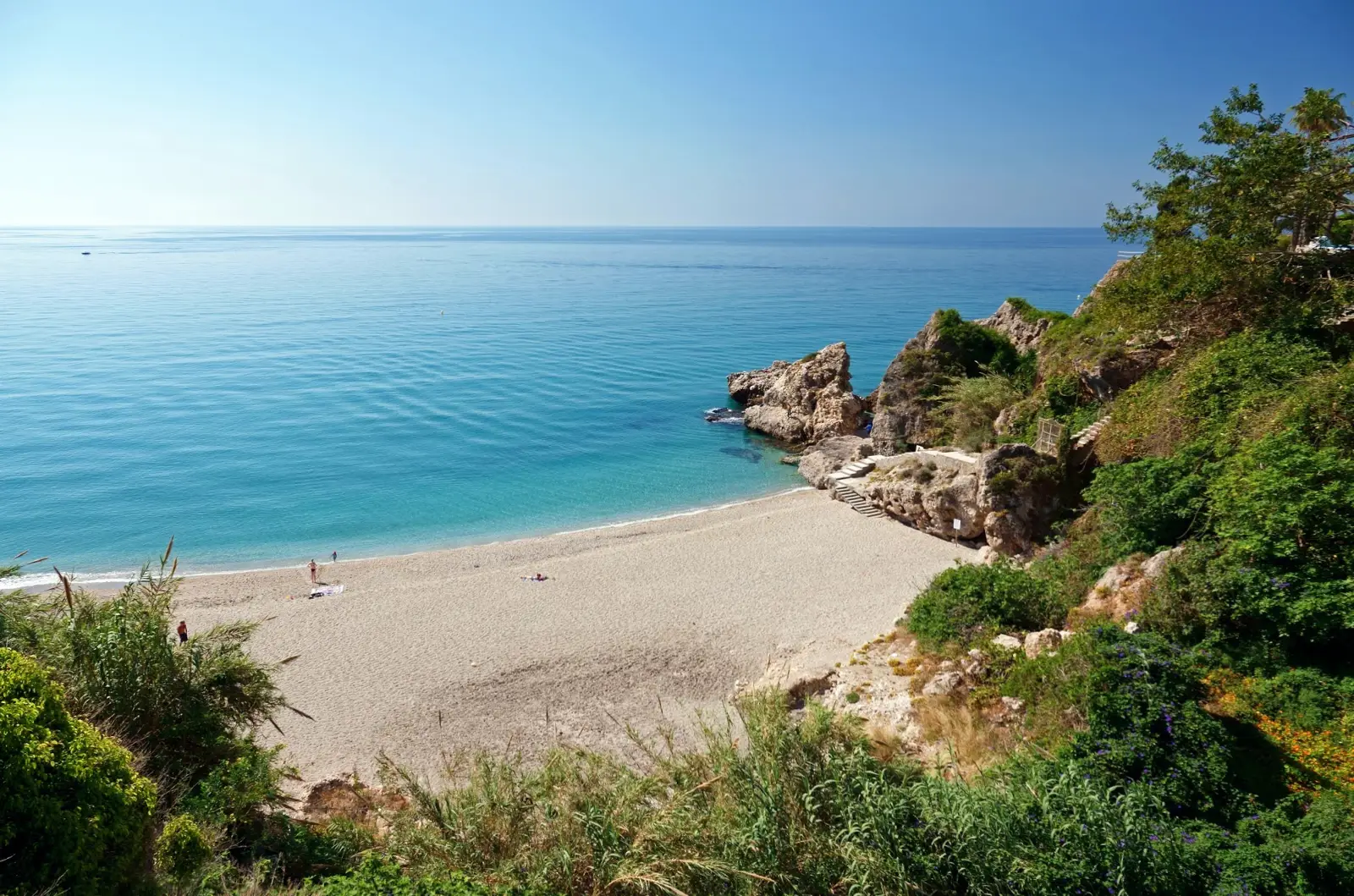
From the viewing platform you can gaze down at hidden coves, crystal-clear waters and the rugged Maro-Cerro Gordo cliffs stretching eastward. On clear days the coastline of North Africa is faintly visible on the horizon. Below the balcony on either side lie the charming coves of Calahonda and Caletilla, reachable by short flights of steps.
Practical Information
- Access: Free and open 24 hours. The promenade is pedestrianised and wheelchair accessible.
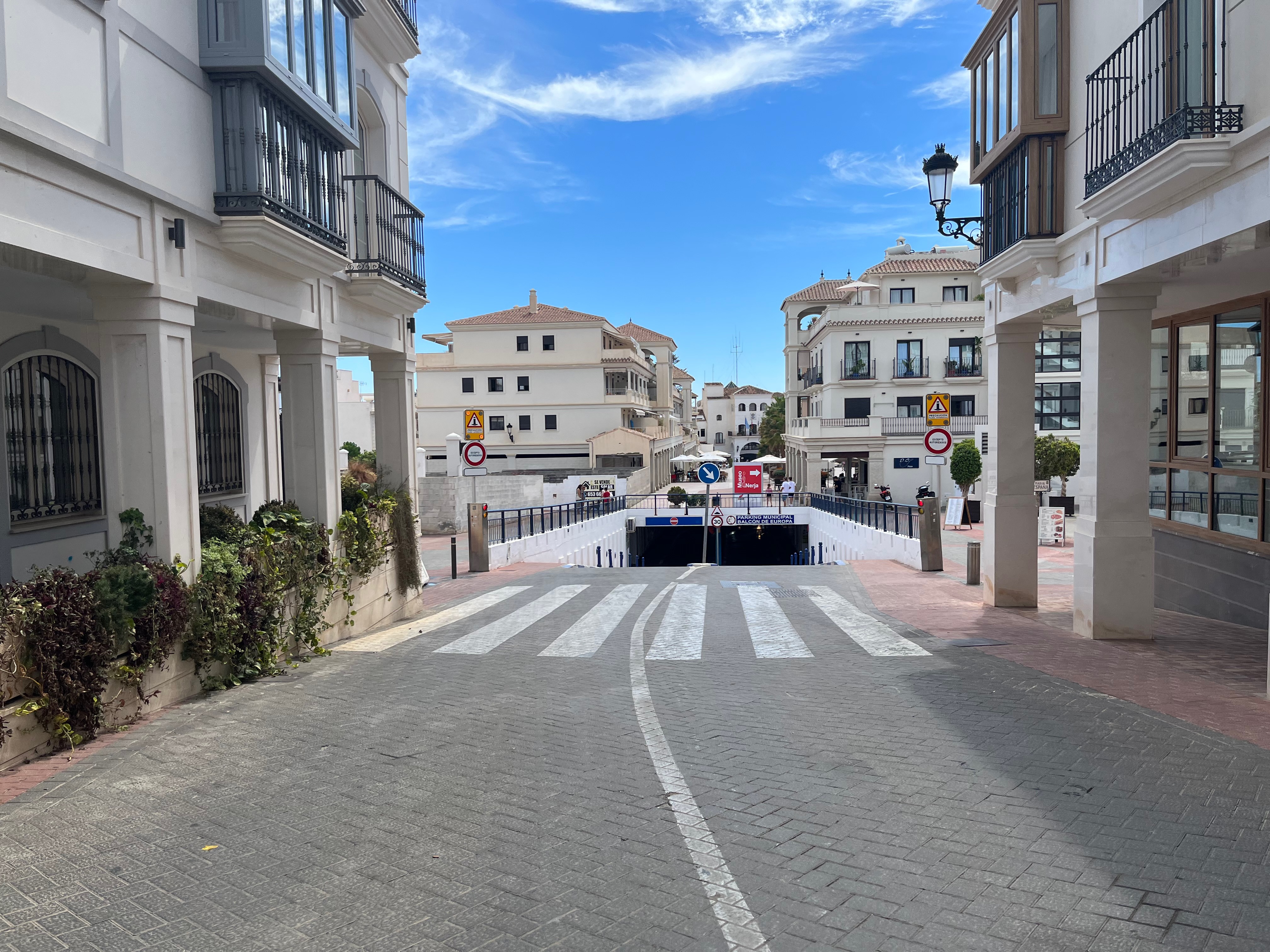
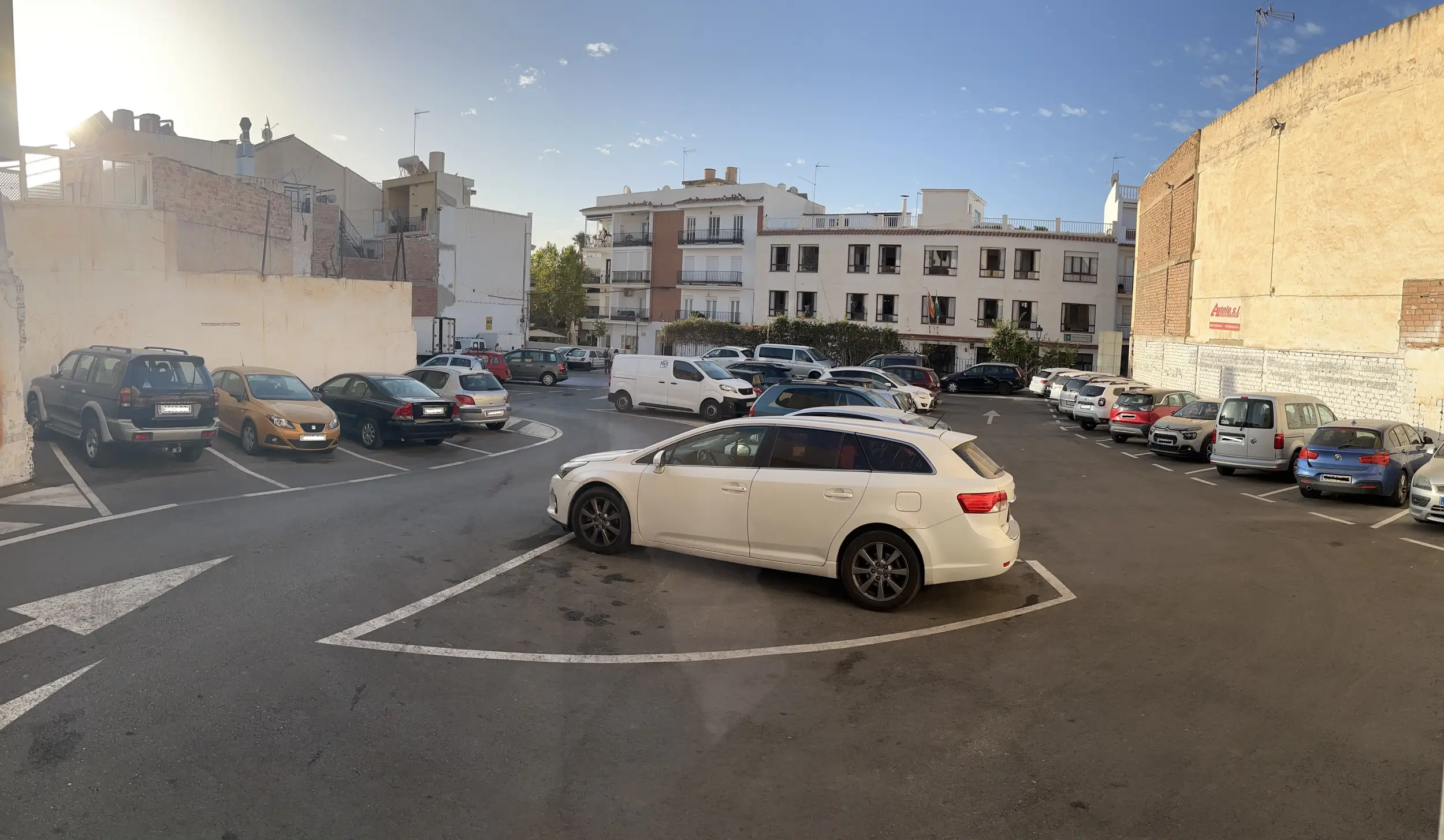
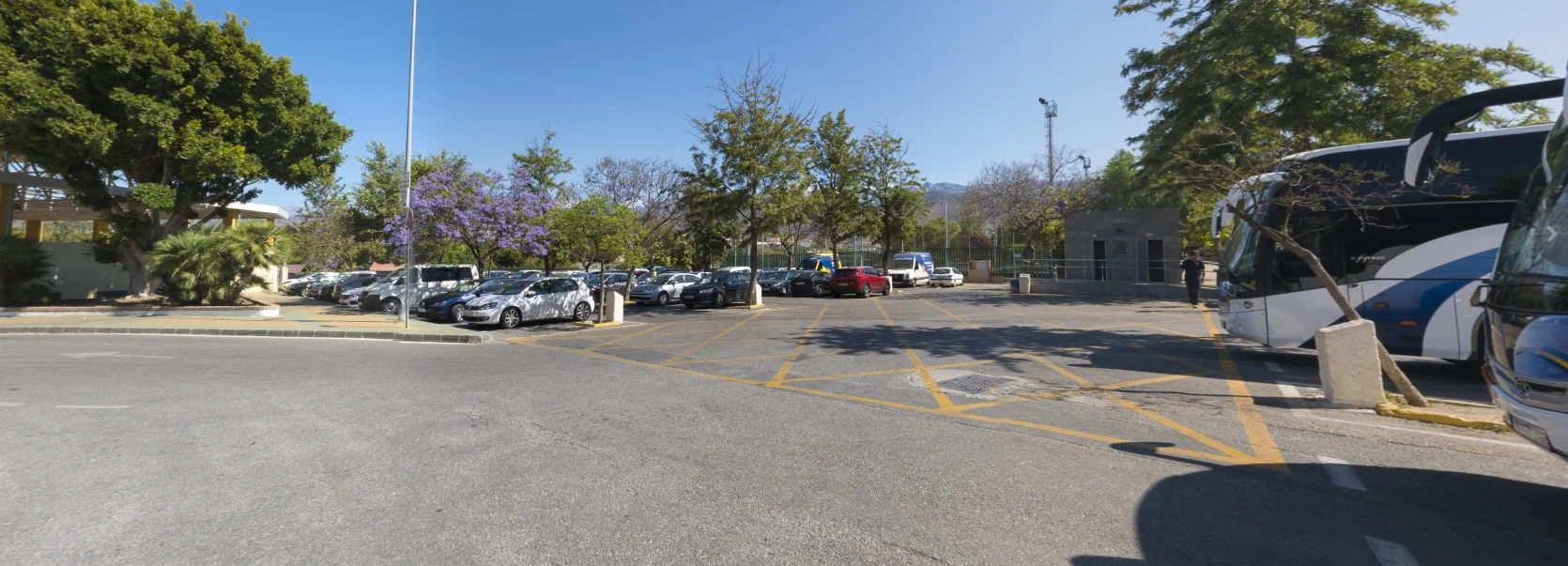
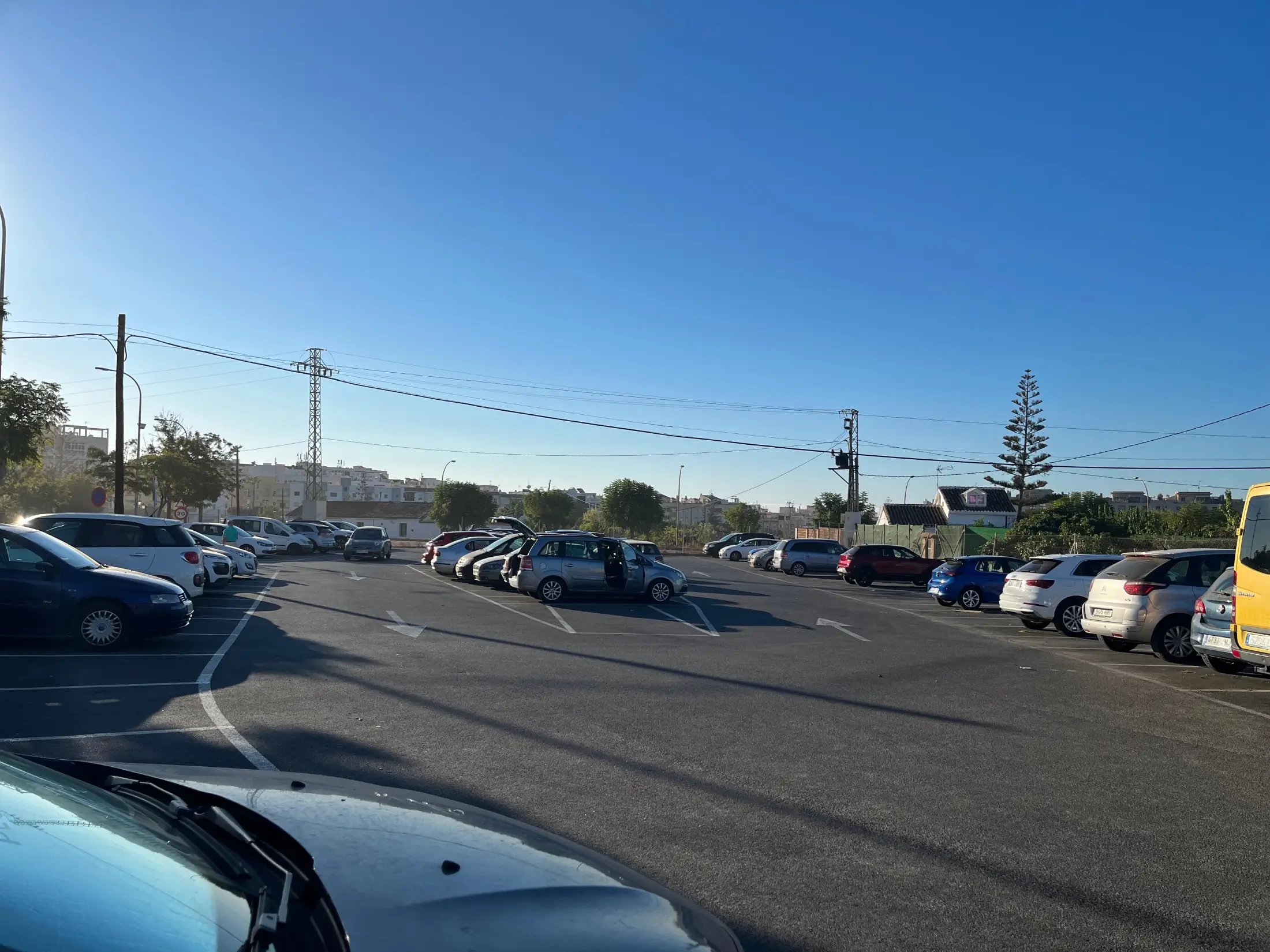
- Getting there: Walk along Calle Pintada from the town centre — it takes roughly five minutes. The nearest car parks are in Plaza de España and Calle Carabeo.
- Best time to visit: Early morning or sunset for the most dramatic light and fewer crowds.
- Nearby: The old town streets around the balcony are full of tapas bars, ice-cream parlours and boutique shops.
Services & facilities
Video
11 videosBalcón de Europa — Nerja's Iconic Viewpoint — video 1
Historia
Origins: Moorish Watchtower
The history of the Balcón de Europa dates back to the 9th century, when the Moors built a defensive fortress atop this rocky promontory. Its strategic position overlooking the Mediterranean, between the cliffs separating Salón and Calahonda beaches, made it an ideal coastal watchtower to guard against seaborne attacks.
The Lower Castle of Nerja
In the 16th century, the Castillo Bajo de Nerja was built over the old fortress, later remodelled in the 18th century into a cannon battery defending the coast from Barbary pirate raids. Together with La Torrecilla, they formed Nerja's coastal defence system.
Destruction in the Peninsular War
During the Peninsular War (1808–1814), both the Lower Castle and La Torrecilla were completely destroyed by allied British troops to prevent them from falling into French hands. The promontory was left in ruins, but its privileged location above the sea ensured it would not be forgotten.
King Alfonso XII's Visit
On 25 January 1885, King Alfonso XII visited Nerja after the devastating Andalusian earthquake of 25 December 1884, which caused severe damage across the provinces of Málaga and Granada. Impressed by the panoramic view from the old promontory, the king exclaimed: «This is the balcony of Europe», naming this iconic spot forever.
Today, a bronze statue of the king by sculptor Francisco Martín commemorates that historic moment beside the viewpoint.
Discovery of the Cave of Nerja
In the gardens of the Balcón de Europa stands a monument commemorating the discovery of the Cave of Nerja in 1959, one of Spain's and the world's most important caves, declared a Site of Cultural Interest.
The Heart of Nerja
Today the Balcón de Europa is the unmistakable symbol of Nerja and the most visited spot on the eastern Costa del Sol. Lined with palm trees and directly connected to the Old Town, El Salvador Church and Plaza de España, it is a meeting point for locals and visitors alike who come to enjoy the panoramic Mediterranean views.
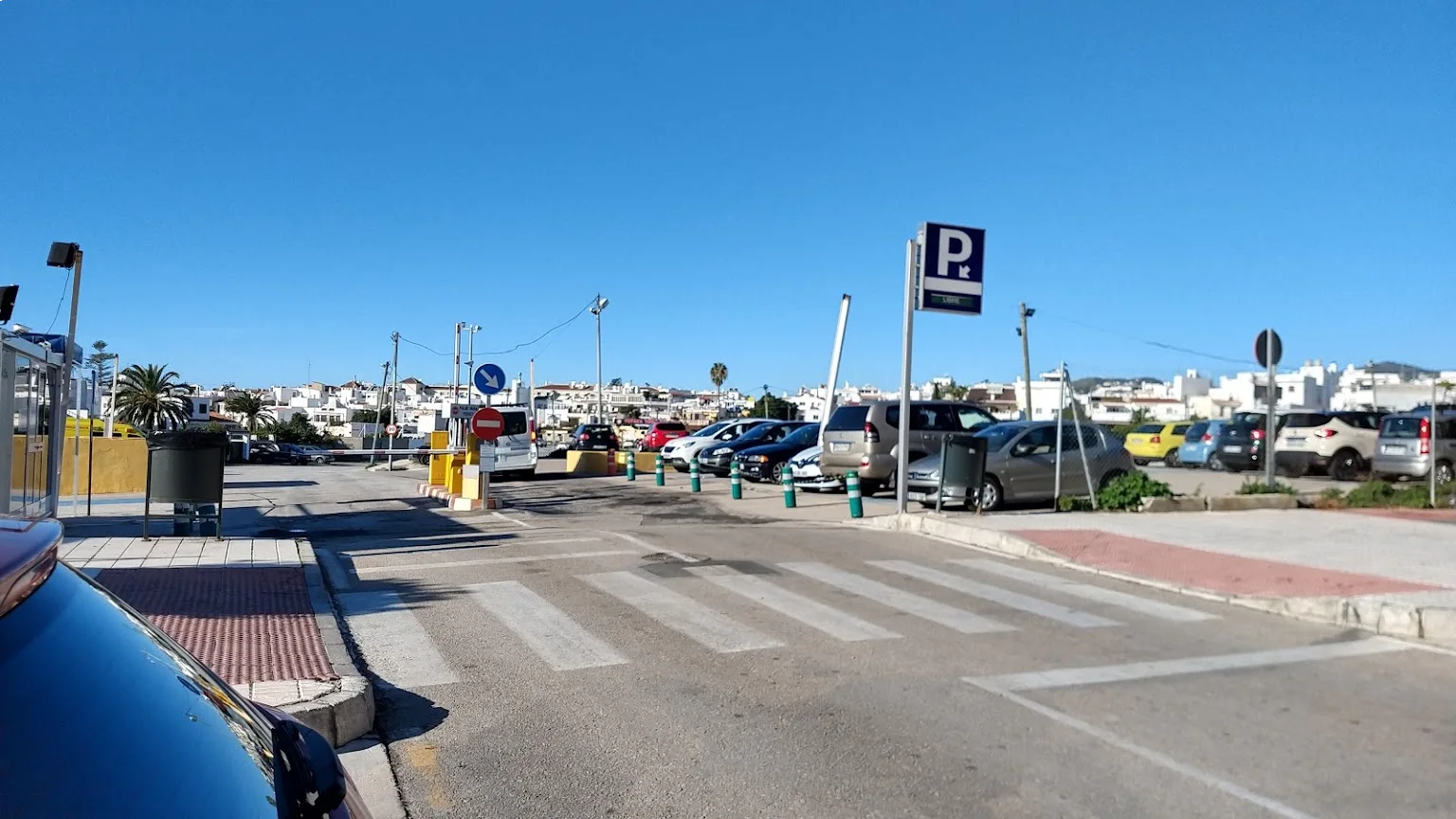
Where to park
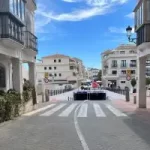
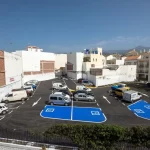
- Parking Balcón de Europa / Plaza España (Paid).
- Parking Carabeo (Paid).
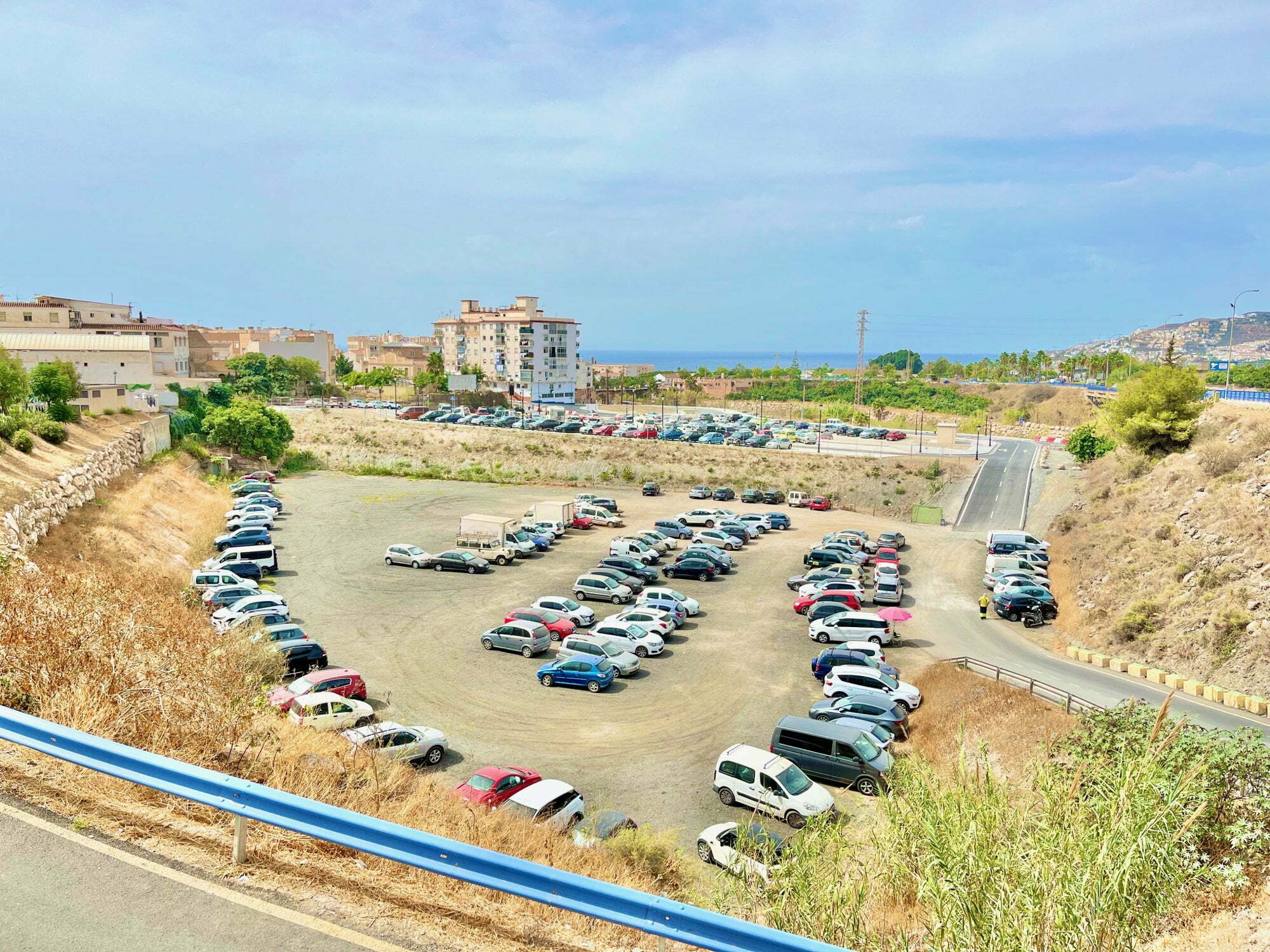
- Parking Giner de los ríos (Free).
How to get to Balcón de Europa — Nerja's Iconic Viewpoint
Plan your route here: enter your starting point and choose how you want to travel.
Already on your way? Open GPS navigation:
Recommendations
- Opening hours: The Balcón de Europa is open 24 hours a day, but to enjoy the views, it is recommended to go during the daytime.
- Views: From the Balcón de Europa, you can enjoy stunning views of the Mediterranean Sea and the mountains. In addition, from here you can see some of the most beautiful beaches in the area.
- Walk: It is recommended to stroll around the surroundings of the Balcón de Europa to discover some of the prettiest corners of the town. For example, you can visit El Salvador Church or Plaza de los Cangrejos.
- Activities: If you have time, you can do an activity such as a boat trip along the coast or visit one of the Nerja caves, which are very close to the Balcón de Europa.
I hope these recommendations are useful and help you make the most of your visit to the Balcón de Europa in Nerja.
Frequently Asked Questions
Why is it called Balcón de Europa?
Is there an entrance fee?
Where can I park near the Balcón de Europa?
What was here before the viewpoint?
What beaches are near the Balcón de Europa?
Is the Balcón de Europa wheelchair accessible?
What is the best time to visit?
Is there anything underground or beneath the viewpoint?
What can I see from the Balcón de Europa?
Are there restaurants or bars nearby?
What's nearby
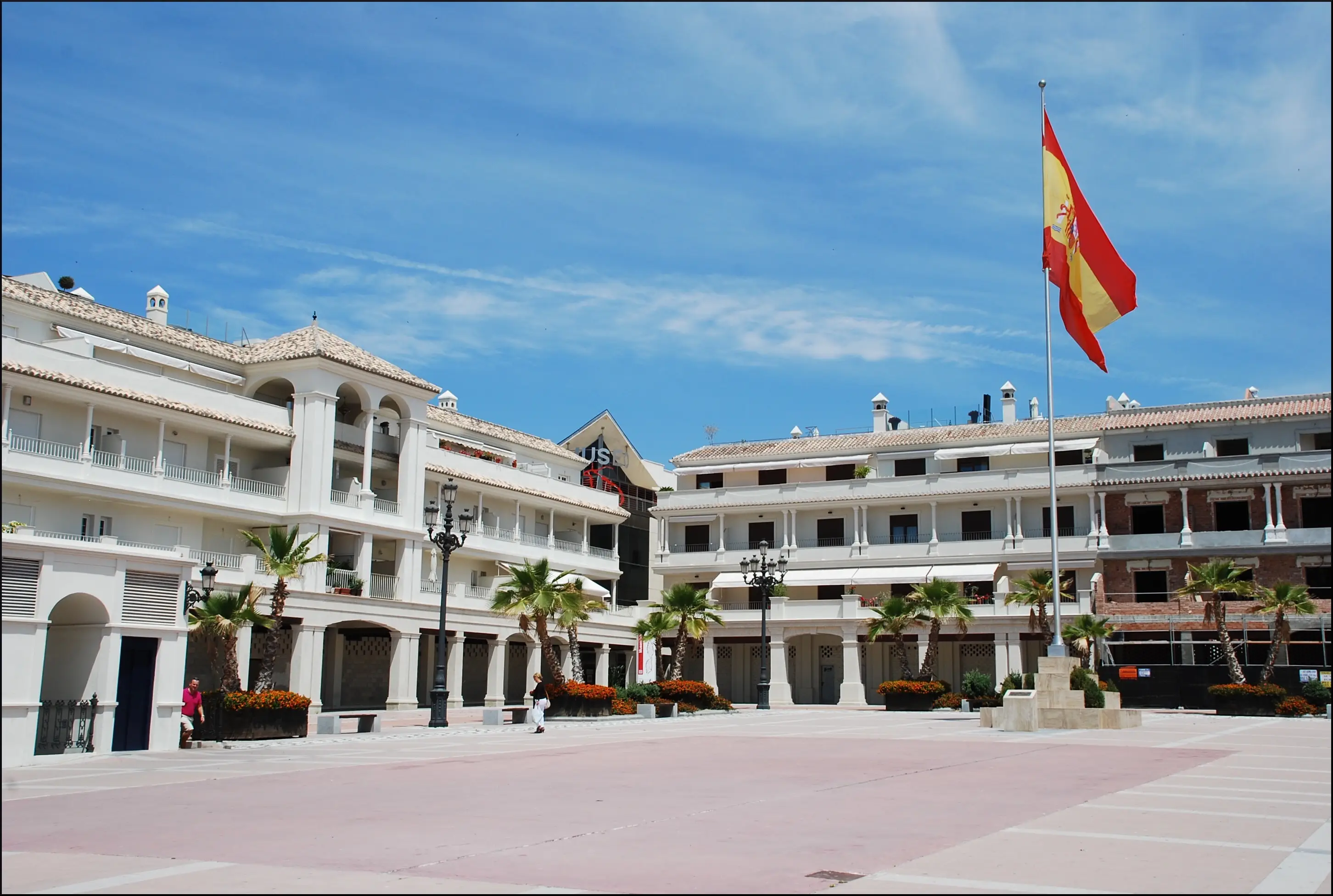
Plaza de España
Places to Visit
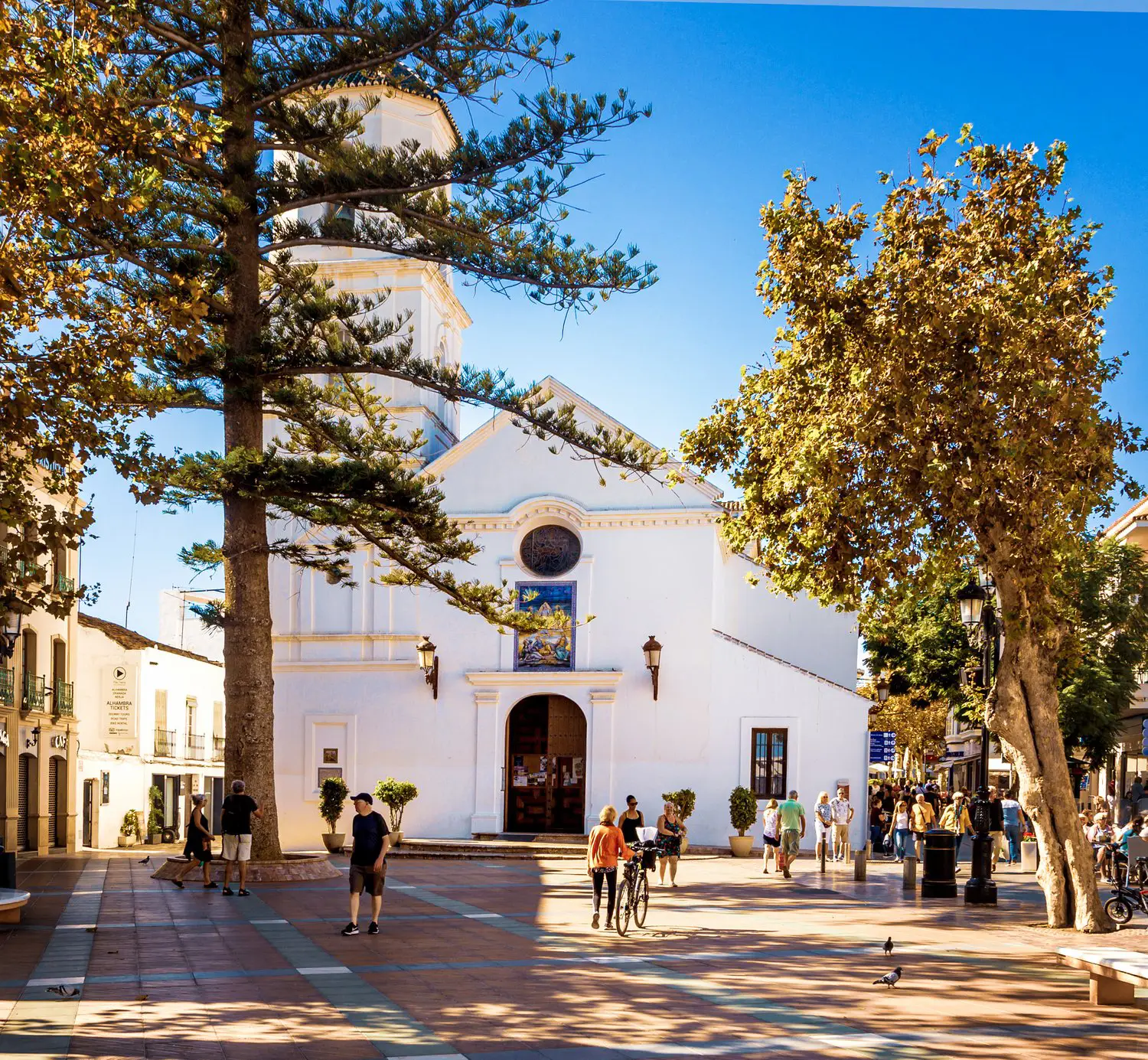
Iglesia El Salvador
Churches and chapels
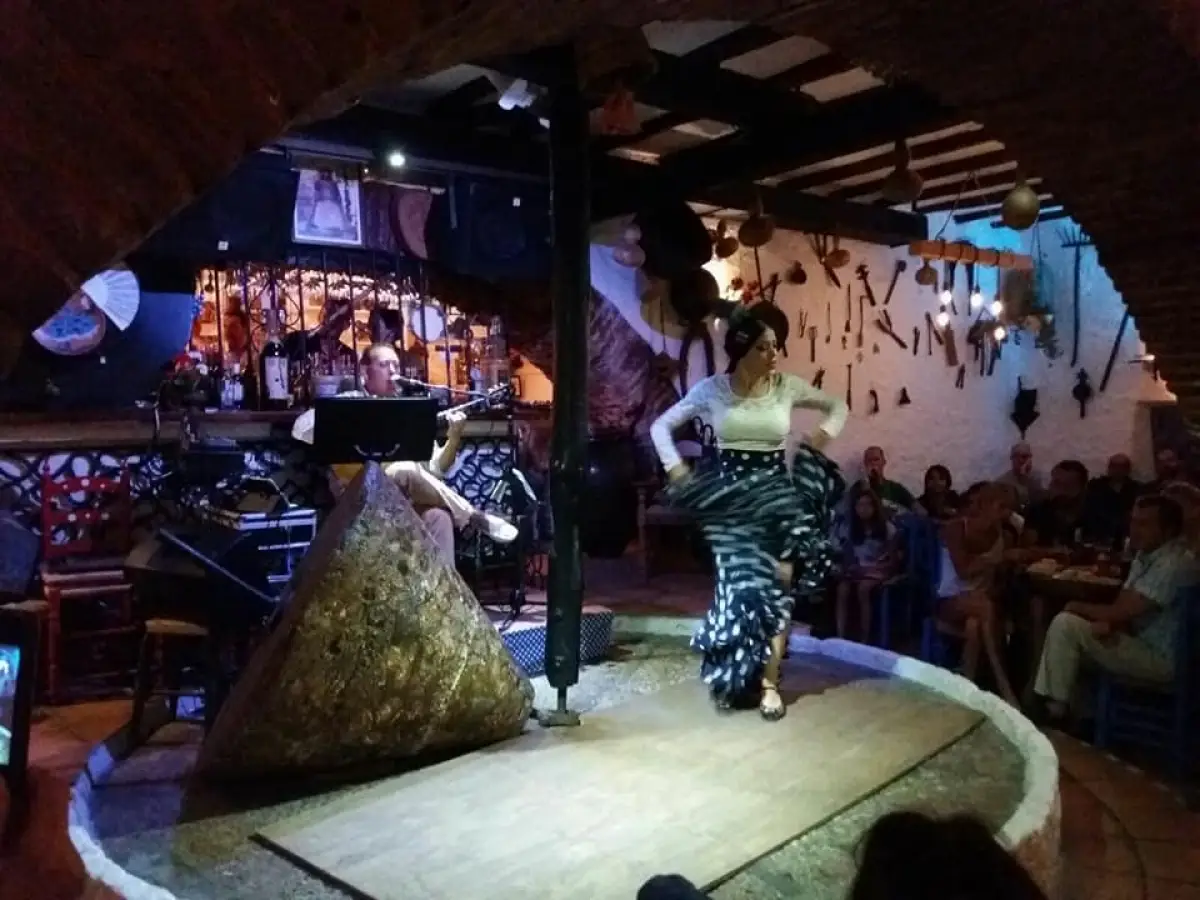
Bar El Molino - The best flamenco atmosphere in Nerja
Ocio nocturno · €€
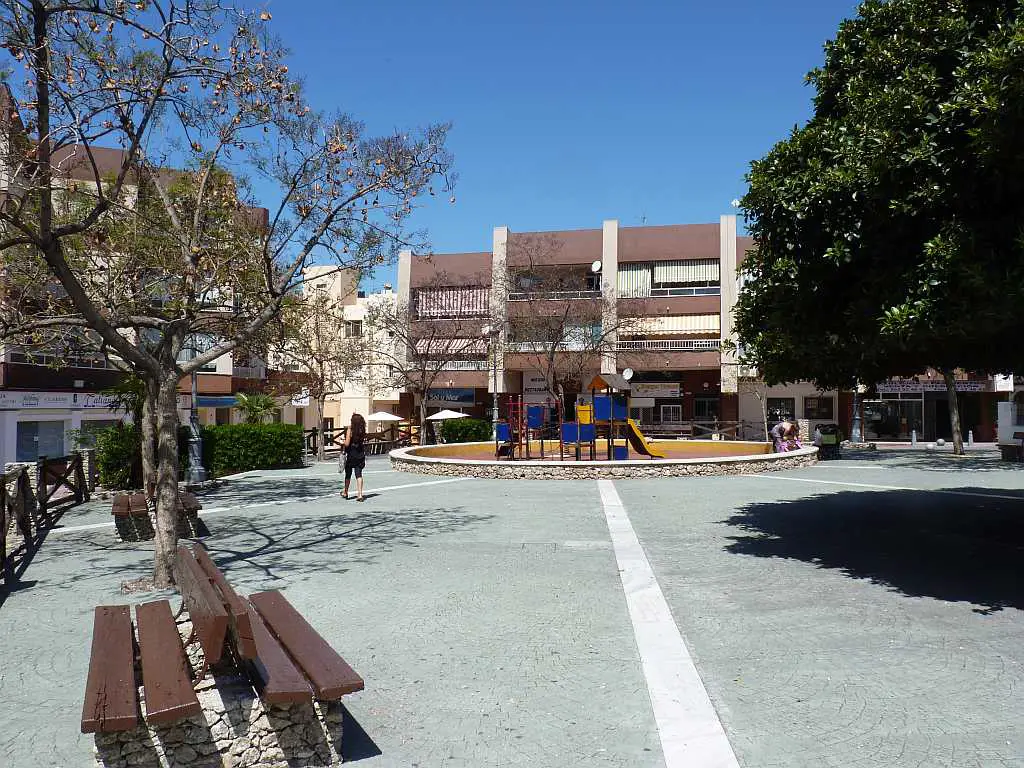
Plaza La Marina
Children's playgrounds · €€

Premium
plaza tutti frutti, 29780 Nerja, Málaga
Ocio nocturno · 10-20 €
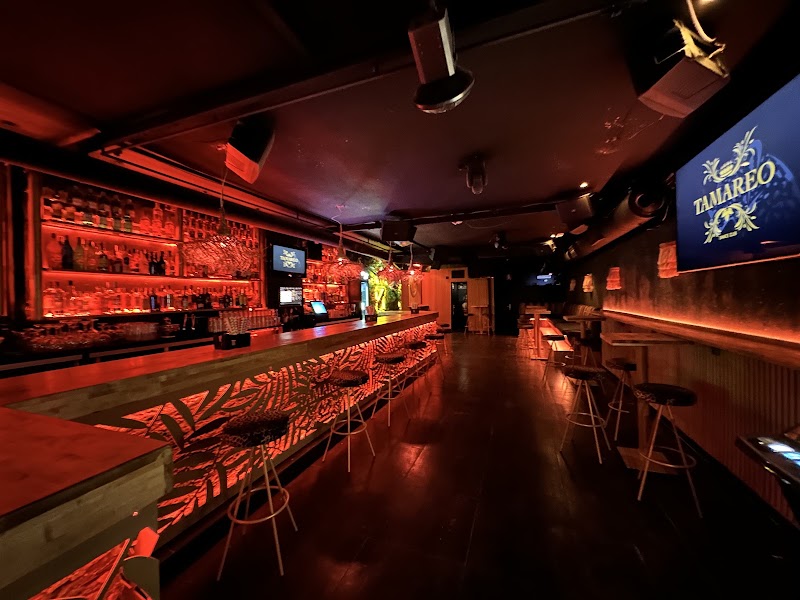
Pub Tamareo
PLaza tutti Frutti, Local 2, 29780 Nerja, Málaga
Ocio nocturno · 10-20 €






Keep exploring
Balcón de Europa — Nerja's Iconic Viewpoint
Places to Visit