Nerja Off-Season: Why You Should Visit in Autumn, Winter or Spring
Visiting Nerja off-season is a completely different experience: lower prices, fewer crowds, mild weather and a cultural calendar that never stops. Discover what to do at each time of year.
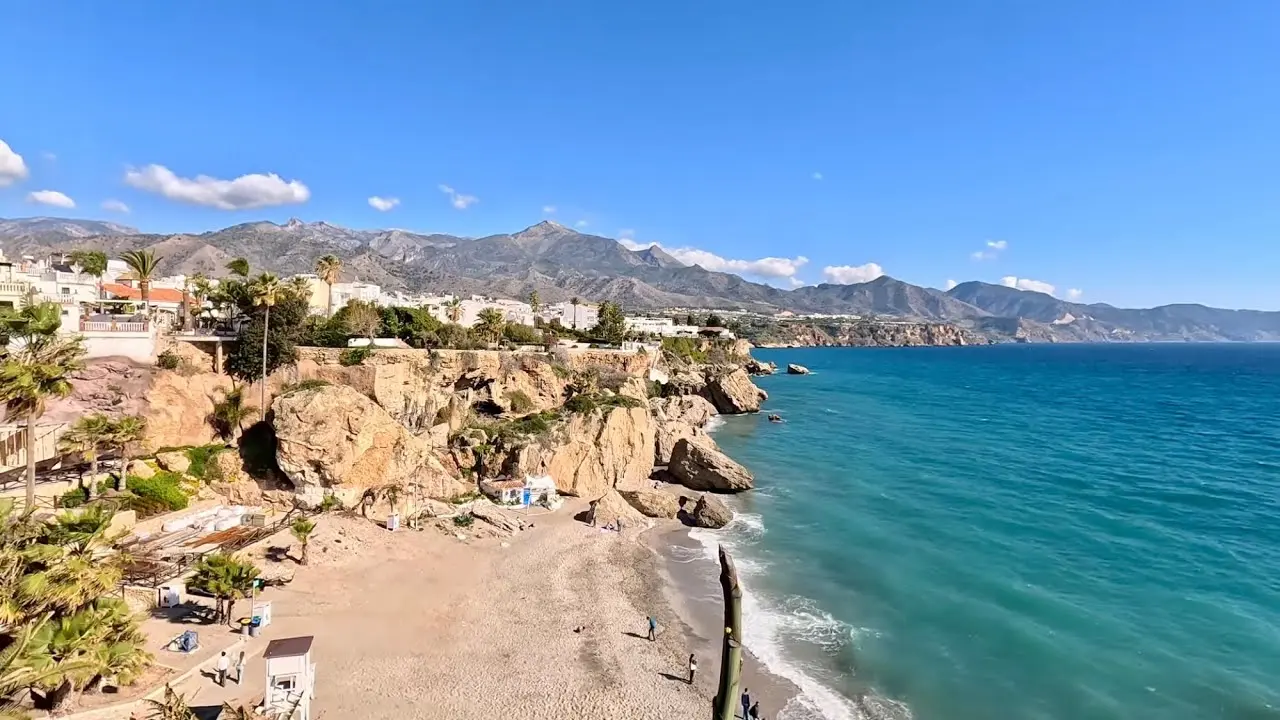
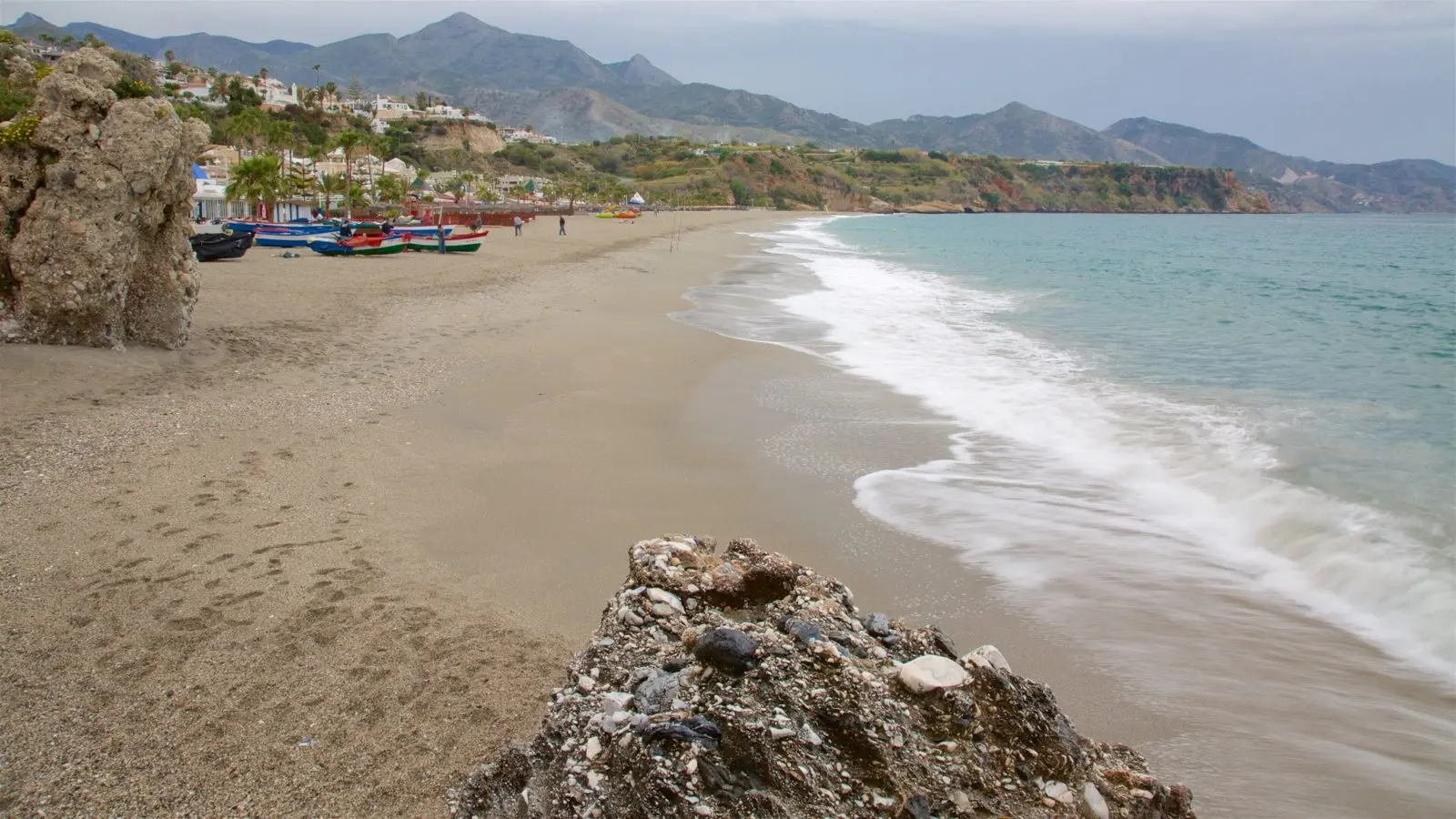
Most tourists visit Nerja in July and August, but those who know it outside of peak season understand that this is when the town shows its most authentic side. Mild weather, reasonable prices, empty beaches and a surprisingly active cultural calendar.
The weather: sunshine all year round
Nerja enjoys more than 300 days of sunshine a year. Even in January, maximum temperatures hover around 16-17°C, and sunny days are the norm. This makes Nerja a viable destination all 12 months of the year. Check the latest forecast in our weather section.
| Season | Max. temp. | Sun hours/day | Rainfall |
|---|---|---|---|
| Autumn (Oct-Nov) | 21-25°C | 6-7h | 4-5 days/month |
| Winter (Dec-Feb) | 16-18°C | 5-6h | 4-5 days/month |
| Spring (Mar-May) | 19-24°C | 7-9h | 3-4 days/month |
Autumn: the best time to visit (local secret)
October is, for many locals, the best month of the year. The sea is still warm (21-22°C), the beaches are empty and accommodation prices drop by 40-50%. It's the perfect time for:
- Hiking along the acantilados de Maro without the heat
- The Feria de Nerja (October) with fairground stalls, flamenco and daytime festivities
- Kayaking and snorkelling in calm waters
Winter: peace, quiet and culture
Winter in Nerja bears no resemblance to northern Europe. While other destinations are cold and rainy, here you can have breakfast on a terrace and walk around in short sleeves on many days. Winter highlights:
- Visiting the Cueva de Nerja without queuing (in summer queues can reach an hour long)
- The Cabalgata de Reyes (5th January) and the Fiesta de San Antón
- Hiking routes in ideal temperatures
- Enjoying restaurants without needing a reservation
Spring: flowers, hiking and Easter
From March onwards, Nerja fills with flowers and the days grow longer. It's the ideal time for:
- The Semana Santa — processions with religious brotherhoods and a solemn atmosphere
- Hiking along the Río Chillár (with water flowing but without extreme heat)
- The Cruz de Mayo — floral altars displayed throughout the town
Financial benefits
Outside of July and August, accommodation prices drop by between 30% and 50%. An apartment that costs €120/night in August can be found for €60-70 in October or March. Flights to Málaga are also significantly cheaper.
When NOT to come?
If your only plan is sunbathing and swimming, November to February may be too cold for getting in the water (15-16°C). But if you combine beach time with culture, food and nature, any month is a good time to visit.
¿Te ha resultado útil este artículo?
Valora este artículo para ayudar a otros visitantes.