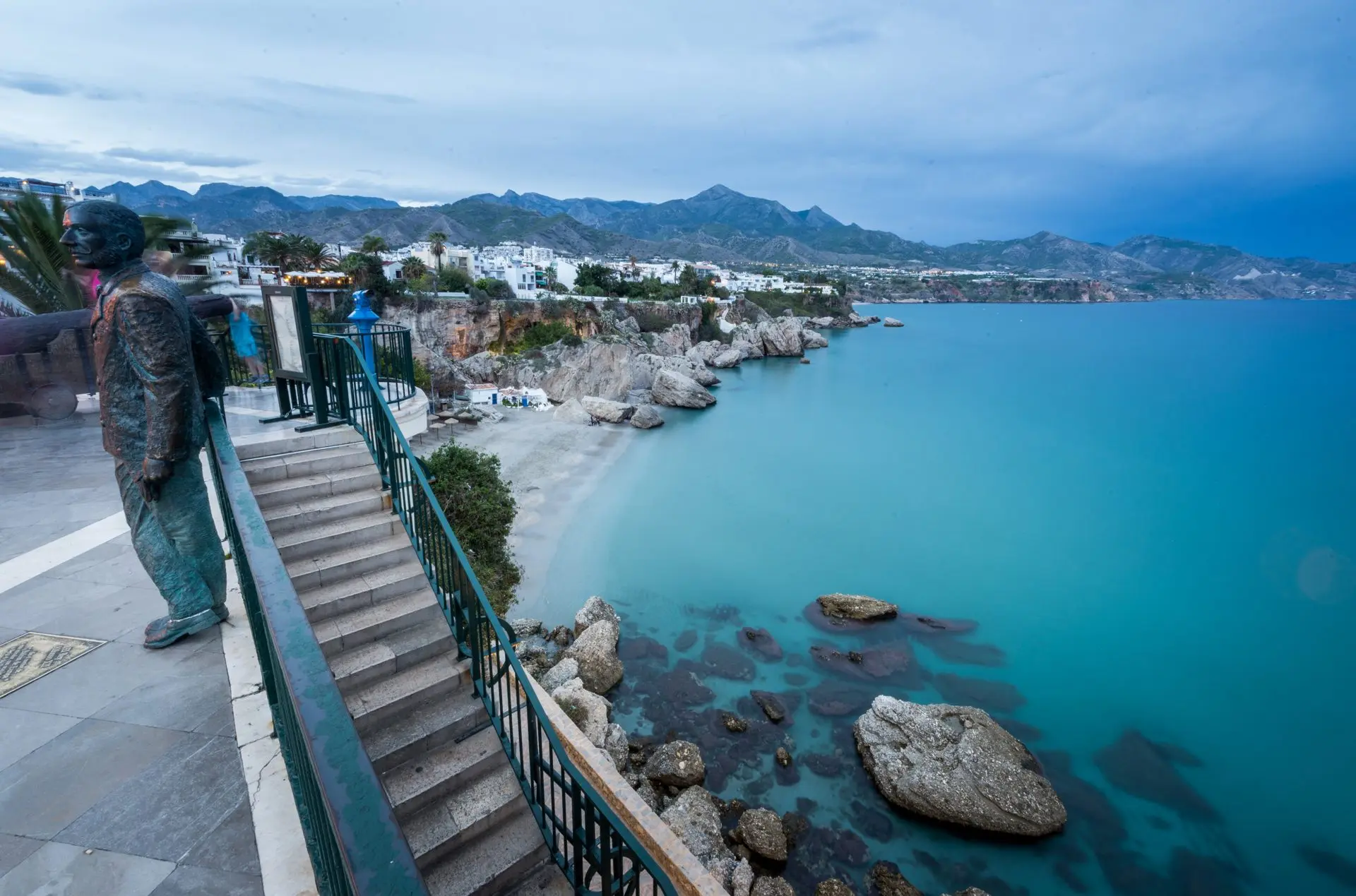
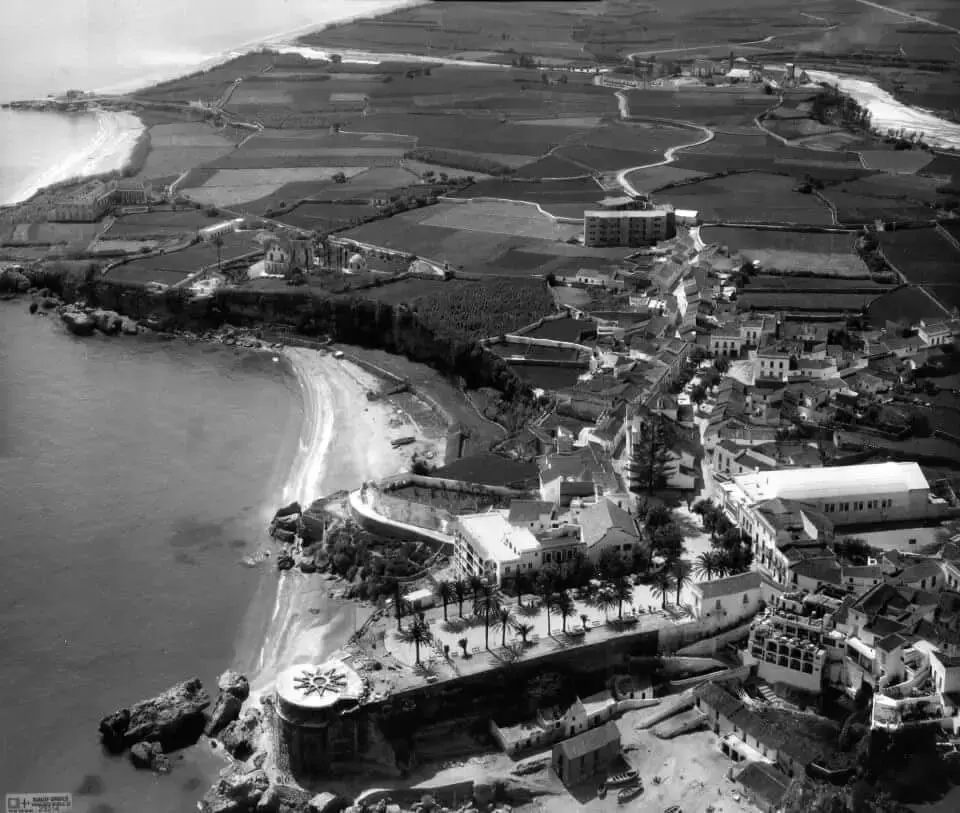
History of Nerja and Its Caves: Origins, Evolution and Heritage of This Málaga Village
The history of Nerja spans from Prehistory, with the Nerja Cave as a witness to the earliest civilizations, to its transformation into one of the most important tourist destinations on the eastern Costa del Sol.
The history of Nerja is a fascinating journey through some of the most important periods in the south of Andalusia. Located in the comarca of la Axarquía, in the province of Málaga, this town stands out not only for its beaches and landscapes, but also for a past that spans from Prehistory to its establishment as one of the best-known tourist destinations on the Costa del Sol.
Learning about the history of Nerja helps you better understand its current identity: a town shaped by the Cueva de Nerja, the Andalusian heritage, the agricultural growth of the 19th century, and the tourist transformation of the 20th century. In this article, we tell you how Nerja has evolved over the centuries and which historic sites you can still visit today.
Origins of the history of Nerja: Prehistory and the Cueva de Nerja
Talking about the history of Nerja necessarily means starting with one of its greatest heritage treasures: the Cueva de Nerja. Discovered in 1959, this cave is one of the most important archaeological and natural sites in Spain.
Inside, remains of human occupation and prehistoric artistic expressions have been found, providing evidence of human presence dating back tens of thousands of years. The cave paintings, bone remains, and various tools discovered in the cave make this site a key piece for understanding life in Prehistory in the southern Iberian Peninsula.
The archaeological importance of the Cueva de Nerja
The cave holds not only enormous geological value, but also historical and cultural significance. Thanks to the research carried out, we now know that this space was used by communities from the Palaeolithic and Neolithic periods, leaving an exceptional legacy for the study of human evolution and the earliest settlements in the area.
For this reason, the Cueva de Nerja is one of the main points of interest for those who wish to explore in depth the origins of Nerja and its most distant past.
The history of Nerja in ancient times: Roman presence in the area
Although the Roman presence in Nerja did not reach the scale seen in other cities along the Andalusian coast, there is evidence of occupation and activity during this period. The area formed part of the sphere of influence of the Roman Empire, particularly due to its agricultural, fishing, and commercial value.
Remains linked to rural villas, hydraulic structures, and ceramic pieces have been found, showing the existence of small population centres related to the exploitation of the land. As was the case in other coastal settlements in Málaga, the local economy was likely tied to farming, fishing, and fish salting.
The legacy of the Roman world in Nerja
Although the visible Roman heritage in Nerja is more limited than in other municipalities, this period forms part of the historical evolution of the territory and helps explain the continuity of settlement in the area before the arrival of the Muslims.
Nerja in Al-Ándalus: the origin of Narixa
One of the most significant periods in the history of Nerja is that of Muslim rule. For centuries, the town formed part of Al-Ándalus and was known as Narixa, a name traditionally associated with the abundance of water and springs in the surrounding area.
During this period, Nerja established itself as an agricultural hub, favoured by the climate and the development of irrigation systems. The organisation of the land, the management of water resources, and part of the settlement structure left a lasting mark on the area.
The Arab influence on the history of Nerja
The Andalusian heritage is still present in the landscape, in local culture, and in the historical memory of the municipality. Many of the agricultural practices and resource management approaches that defined this era were decisive for the later development of Nerja.
Understanding this period is essential to grasping how it evolved from a small agricultural community into a settlement with its own identity within the Nasrid Kingdom and, later, the Crown of Castile.
The Reconquista and the incorporation of Nerja into Castile
The history of Nerja changed decisively in 1487, when the area was incorporated into the Kingdom of Castile during the campaign of the Catholic Monarchs in the former Kingdom of Granada. From that point on, a period of political, social, and religious reorganisation began.
Following the Christian conquest, the urban and religious landscape was transformed, with churches built and existing structures adapted. Among the most representative buildings from this period and the municipality's subsequent development is the Iglesia de El Salvador, one of the best-known monuments in the historic centre.
Defensive towers and attacks on the coast
During the centuries that followed, the coast of Nerja faced the threat of pirate raids and maritime attacks. This situation prompted the creation and reinforcement of coastal defence systems, a reality shared by many municipalities along the Andalusian Mediterranean coast.
This context explains part of the historical development of the area and the need to protect a coastline that was strategically important both for its resources and its geographical position.
19th century: economic growth and the rise of sugar cane
In the 19th century, Nerja experienced a period of growth linked to agriculture and, in particular, to the cultivation and processing of sugar cane. This activity boosted the local economy, encouraged the development of infrastructure, and left a significant mark on the landscape and the town's collective memory.
The agricultural and commercial expansion contributed to the urban growth of Nerja and to the consolidation of new forms of wealth in the area. It was a key period that helped lay some of the foundations for the town's modern development.
The Acueducto del Águila, a symbol of 19th-century Nerja
One of the great emblems of this era is the Acueducto del Águila, one of the most striking historic structures in Nerja. This feat of engineering was built to supply water for agricultural and industrial activity, and today it is one of the most photographed spots in the town.
Its historical, scenic, and heritage value makes it an essential visit for those who wish to explore the local history in depth.
Recent history of Nerja: tourism, the Cueva de Nerja, and international recognition
The major turning point in the recent history of Nerja came in 1959 with the discovery of the Cueva de Nerja. This find marked a before and after for the town, which began to gain recognition both within Spain and beyond.
The cave became one of Andalusia's greatest tourist attractions and helped position Nerja as a unique destination on the Costa del Sol. From the second half of the 20th century onwards, tourism took on a central role in the local economy.
Verano Azul and Nerja's fame in the 1980s
The town's popularity grew even further in the 1980s thanks to the TV series Verano Azul, which made Nerja a recognisable place for several generations. The famous barco de Chanquete remains one of the most visited icons today for those who want to relive the memories of the series.
This media exposure cemented Nerja's image as a tourist destination with its own personality, combining heritage, sea, popular culture, and outstanding natural scenery.
Nerja today: heritage, nature, and historical legacy
Today, Nerja is a destination that has managed to balance its tourist growth with the preservation of much of its identity. Its streets, natural surroundings, traditions, and monuments allow visitors to discover a town where the past remains very much alive.
Those who seek to learn about the history of Nerja will find not only information about ancient civilisations or iconic buildings, but also a town that has evolved without losing its Mediterranean essence.
What to see to understand the history of Nerja
If you want to discover the historical evolution of the town through its most representative sites, here are some must-sees:
Frequently asked questions about the history of Nerja
What are the origins of Nerja?
The origins of Nerja date back to Prehistory, as demonstrated by the Cueva de Nerja, one of the most important archaeological sites in Andalusia.
What was Nerja called during the Muslim period?
During the Andalusian period, Nerja was known as Narixa, a name traditionally associated with the abundance of water in the area.
Which historic monument stands out most in Nerja?
Among the main historic sites, the Cueva de Nerja, the Iglesia de El Salvador, and the Acueducto del Águila are the most notable.
Why is the Cueva de Nerja important?
Because it preserves archaeological remains, cave art, and evidence of human occupation of great value for understanding Prehistory in the south of the Iberian Peninsula.
When did Nerja's tourist boom begin?
The major tourist boost came from 1959 onwards, following the discovery of the Cueva de Nerja, and was further strengthened in the 1980s with the TV series Verano Azul.
Conclusion: why the history of Nerja continues to attract visitors from around the world
The history of Nerja encompasses Prehistory, Andalusian heritage, transformations following the Reconquista, agricultural growth, and tourist development. That historical journey, combined with its heritage and natural surroundings, makes Nerja much more than a sun-and-beach destination.
Learning about its past is a way of better understanding its present and enjoying your visit with a richer perspective. If you are planning to discover this corner of Málaga, its history is the best place to start.
¿Te ha resultado útil este artículo?
Valora este artículo para ayudar a otros visitantes.