The History of the Balcón de Europa: From Arab Fortress to Nerja Icon
The Balcón de Europa wasn't always a tourist promenade. It was an Arab fortress, a cannon battery, and a watchtower against pirates. Its history is the history of Nerja.
The Balcón de Europa is Nerja's most recognisable landmark: a rocky promontory jutting out into the Mediterranean, offering panoramic views that more than live up to its name. But this popular promenade conceals a thousand-year history of military strategy, earthquakes, and urban transformation.
Arab origins: the fortress of Narixa (9th–15th centuries)
Where tourists take selfies today, a thousand years ago stood an Arab fortress. During the Andalusian period, the promontory housed a watchtower and a small castle that protected the settlement of Narixa (the Arabic name for Nerja, meaning "abundant spring").
The position was strategic: it commands the entire bay and allows ships to be spotted from miles away. After the Christian Reconquista (1487), the fortress was maintained as a coastal lookout point.
The cannon battery (16th–18th centuries)
With the threat of Barbary pirates, the Spanish Crown reinforced the position with a cannon battery. For centuries, the Balcón served as an active defensive point. Documents survive describing clashes with corsair vessels that attempted to raid the coast.
The fortress also served as a communication point with the watchtowers dotted along the coast: the Torre de Maro, the Torre de Caleta, and others that today are ruins or have disappeared entirely.
The earthquake of 1884
On 25 December 1884, a devastating earthquake struck the comarca of la Axarquía. Nerja suffered significant damage and the old fortress fell into even greater disrepair. The tremor, known as the "Andalucía earthquake", left more than 800 people dead across the region.
The visit of Alfonso XII (1885)
In January 1885, King Alfonso XII visited the areas affected by the earthquake. Upon arriving in Nerja and looking out from the promontory, he was struck by the views and, according to oral tradition, exclaimed: "This is the balcony of Europe".
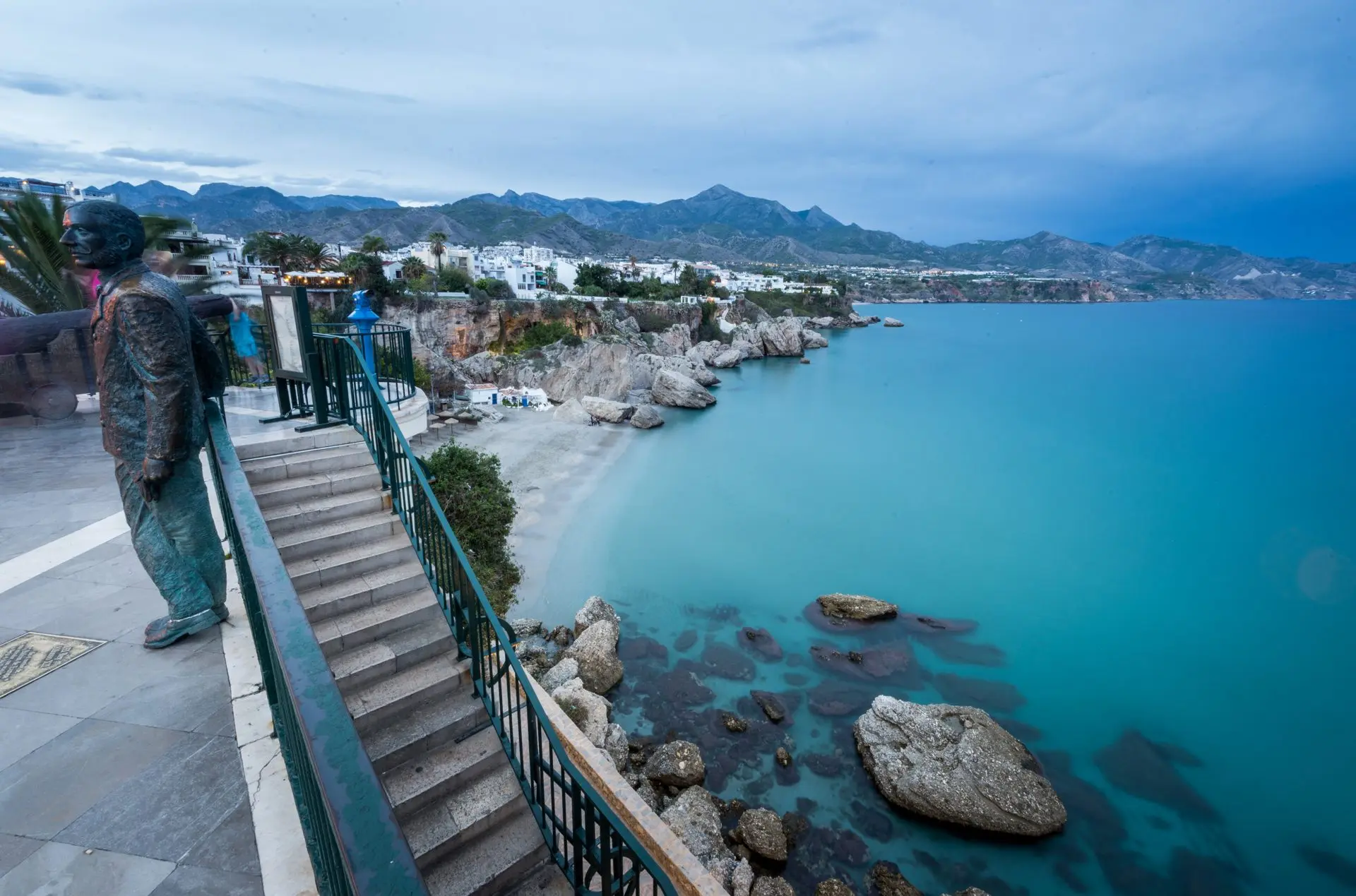
The phrase stuck forever. The viewpoint was officially renamed the Balcón de Europa and became the symbol of Nerja. Today, a statue of the monarch stands at the entrance to the promenade.
Tourist transformation (20th century)
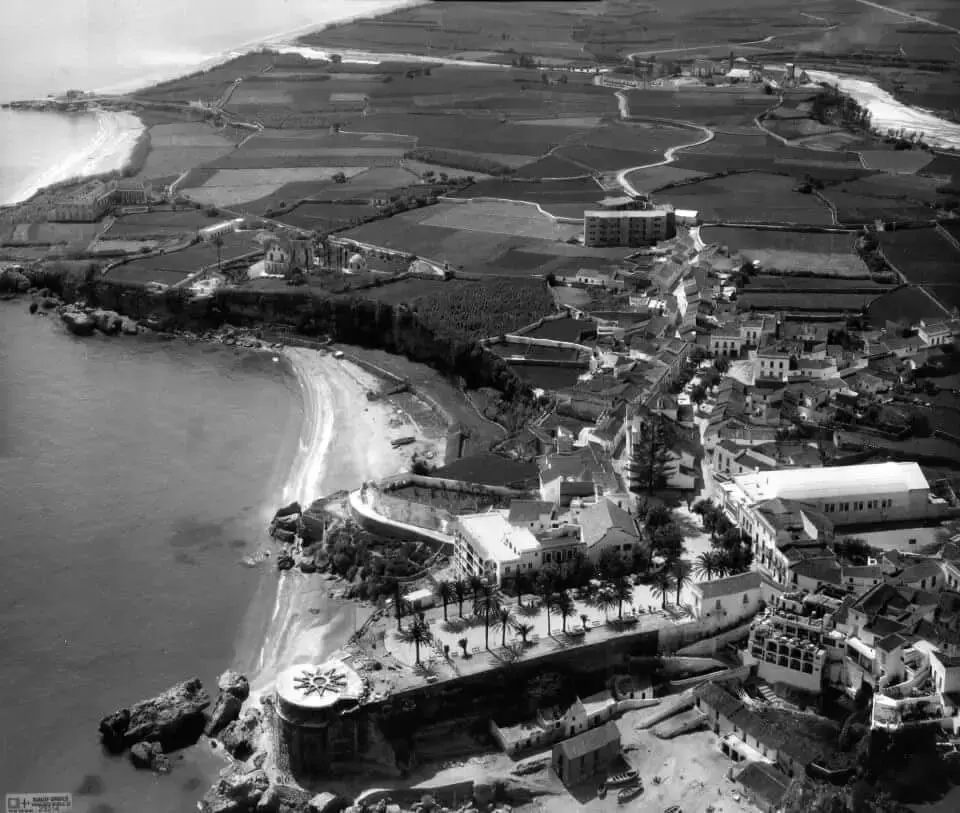
In the mid-20th century, the remains of the old fortress were demolished to make way for the promenade we know today. A large landscaped square was created, railings were installed, and the access from the old town was developed.
The final boost came with Verano Azul (1981–1982). The TV series, filmed in Nerja, featured the Balcón de Europa in its opening credits. Millions of Spaniards discovered this corner of the coast and tourism soared.
The Balcón today
Today it is a wide pedestrian square with palm trees, benches, street musicians, and 180° views over the Mediterranean. From here you can see the playa de la Caletilla on one side and Calahonda on the other, with the mountains of the Sierra de Almijara as a backdrop.
It is the perfect starting point for any visit to Nerja, and a place you will always find yourself returning to: at dawn to enjoy the peace and quiet, in the afternoon for the sunset, and at night to soak up the atmosphere.
¿Te ha resultado útil este artículo?
Valora este artículo para ayudar a otros visitantes.