15 Facts About Nerja You Probably Didn't Know
Nerja hides fascinating secrets: from 42,000-year-old cave paintings to Guinness World Records, plus its surprising connection to a beloved Spanish TV series. Discover 15 facts that will amaze you.
Nerja is much more than beautiful beaches and good weather. Behind this coastal town lie fascinating stories, world records, and facts that surprise even those who have lived here for years.
1. The oldest cave paintings in human history
The Cueva de Nerja is home to what could be the oldest cave paintings in the world, with an estimated age of 42,000 years. If confirmed, they would be the work of Neanderthals, not Homo sapiens.
2. The largest natural column in the world
In the Sala del Cataclismo of the Cueva de Nerja stands the largest column (a joined stalagmite and stalactite) in the world: 32 metres tall and 13x7 metres in diameter. It is recognised by the Guinness Book of World Records.
3. The name comes from Arabic
Nerja comes from the Arabic «Narixa» (نريجة), meaning «abundant spring». It refers to the many streams that flow down from the mountains to the sea in the area.
4. Verano Azul put Nerja on the map
The TV series Verano Azul (1981–1982) was filmed entirely in Nerja and turned it into a nationally known tourist destination. Chanquete's boat, which never actually sailed, remains one of the most photographed landmarks in town.
5. More than 300 days of sunshine a year
Nerja enjoys one of the most privileged microclimates in Europe. The Sierra de Almijara acts as a natural barrier against cold northerly winds, creating a unique subtropical microclimate.
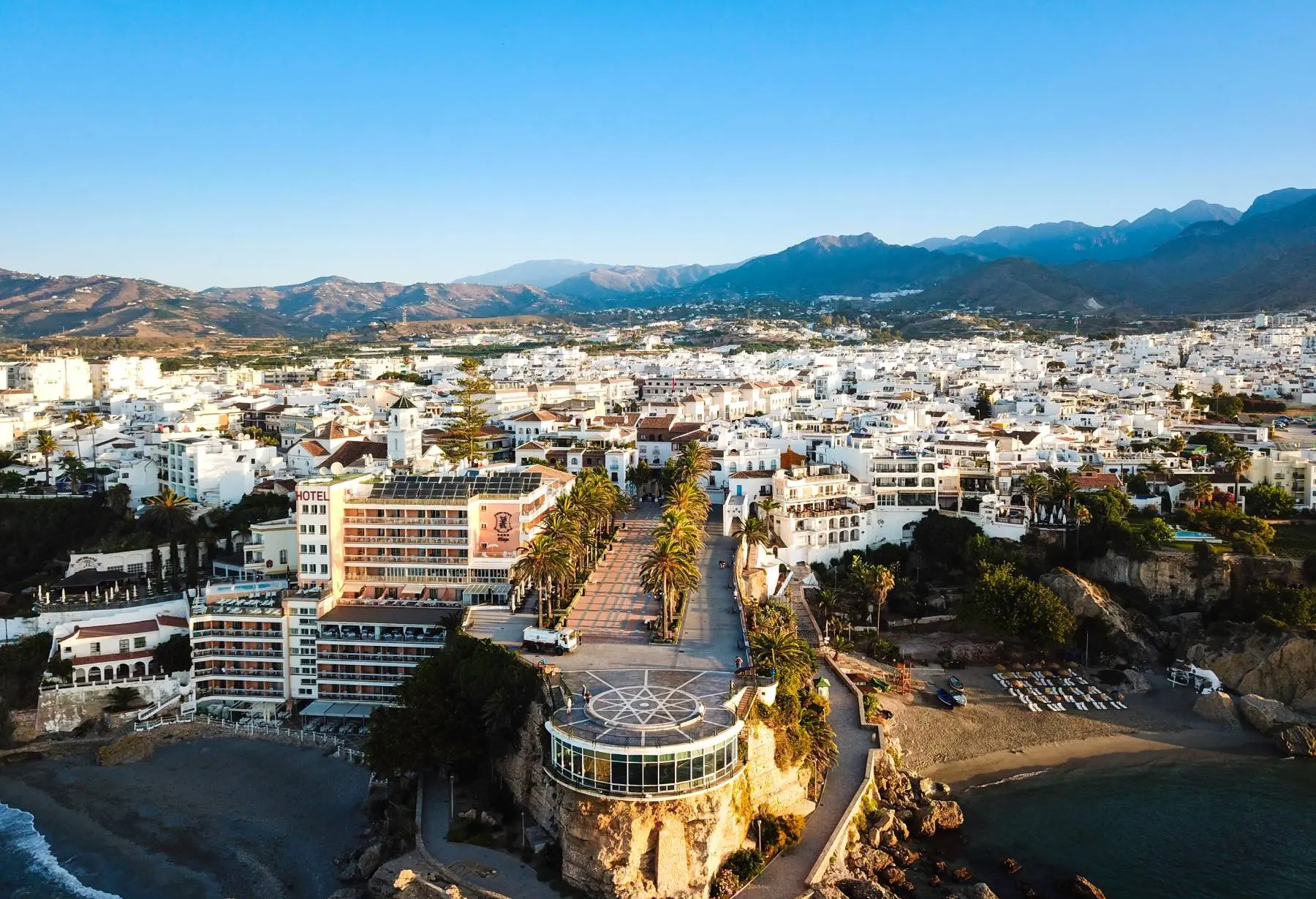
6. A king gave the Balcón de Europa its name
The Balcón de Europa was named by King Alfonso XII, who visited Nerja in 1885 following the devastating earthquake that struck the area. Standing at the viewpoint, he exclaimed: «This is the balcony of Europe».
7. World capital of the custard apple
The Nerja area is the leading producer of custard apples (chirimoyas) in Europe. This tropical fruit, originally from the Americas, found its perfect habitat along the coast of Granada and Málaga.
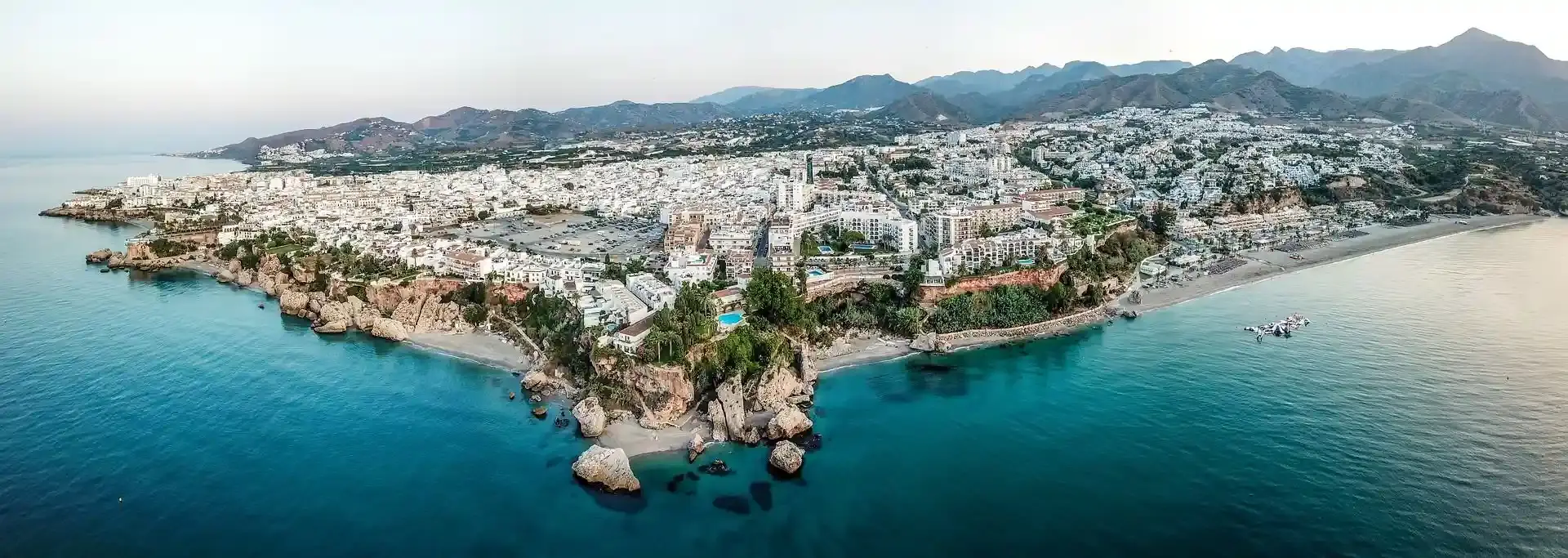
8. 16 km of coastline with 12 beaches
The municipal area of Nerja has 16 kilometres of coastline with more than a dozen beaches and coves, ranging from the town beaches (Torrecilla) to the more secluded ones (Cañuelo).
9. The Acueducto del Águila has 4 tiers
The Acueducto del Águila, built in the 19th century to irrigate sugarcane fields, has four levels of arches and is remarkably well preserved. It is one of the most beautiful feats of engineering in Andalusia.
10. Sugarcane shaped its history
Between the 16th and 19th centuries, Nerja's livelihood depended on sugarcane farming. The sugar mills (ingenios azucareros) were the area's main industry, until sugar beet from the north brought the trade to an end.
11. It has a river you walk through
The Río Chillár is one of the few rivers in Spain where the hiking route literally takes you through the water. It is one of the most popular activities in the area during summer.
12. The Maro watchtower is 500 years old
The Torre de Maro, visible from the coastal road, was built in the 16th century to watch for Barbary pirates along the coast. It is one of the many watchtowers dotted along the Andalusian shoreline.
13. Over 22,000 residents… and growing
Nerja has 22,132 registered inhabitants, but in summer the population multiplies to over 80,000. The foreign resident community (mainly British, German, and Swedish) accounts for more than 25% of the census.
14. The Natural Park protects 40,000 hectares
The Sierras de Tejeda, Almijara y Alhama, which surround Nerja, form a natural park of nearly 40,000 hectares with peaks rising above 1,800 metres. The Spanish ibex is its most iconic resident.
15. An avocado changed the economy
When sugarcane became unprofitable, local farmers turned to tropical crops: avocados, mangoes, and custard apples. Today, the Axarquía region is the largest producer of tropical fruits in mainland Europe.
¿Te ha resultado útil este artículo?
Valora este artículo para ayudar a otros visitantes.